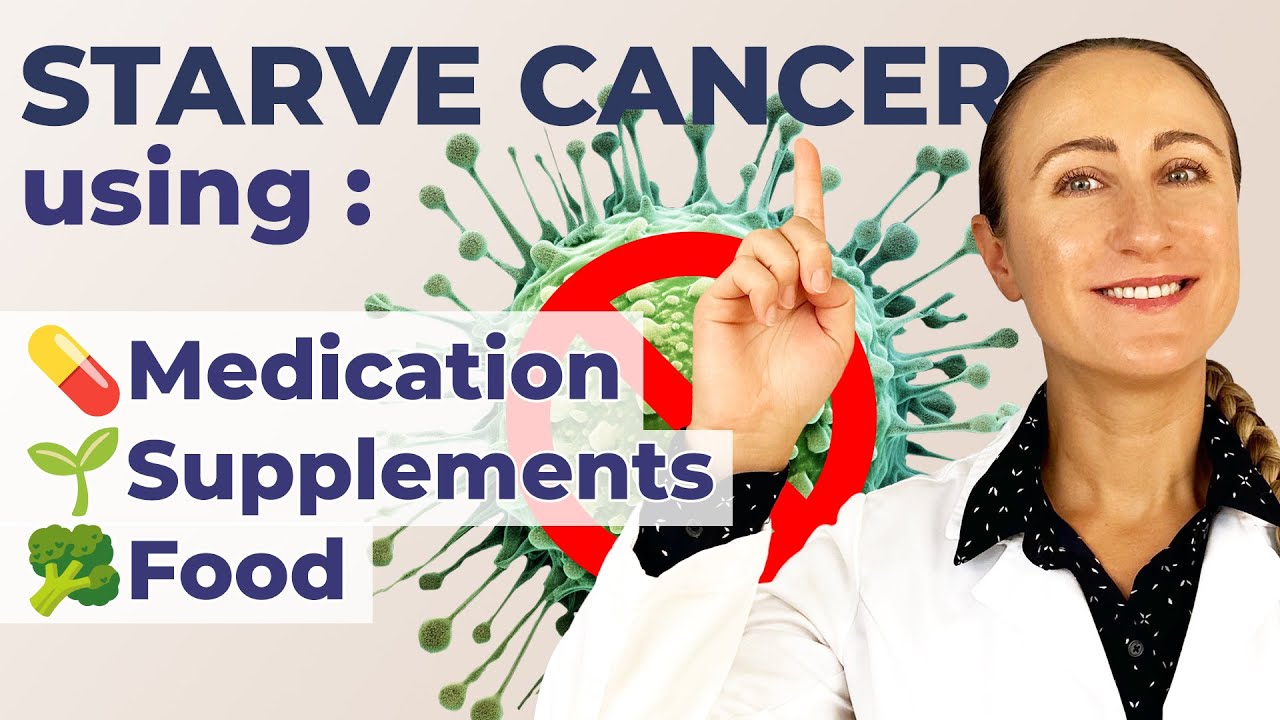
Let me start with an awkward confession: I once thought of cancer as a kind of unwelcome party guest—one that just refuses to leave, no matter how many hints you drop. But what if, instead of asking it to leave, you just starved it out? That’s where modern research is heading, focusing on the hidden dietary habits of cancer cells and how a little metabolic mischief can tip the odds back in our favor. Today, I’ll show you some surprising science, off-label secrets, and why your dinner plate might be waging its own silent war.
The Real Fuel Thieves: Why Cancer’s Metabolism Breaks the Rules
When it comes to cancer metabolism, cancer cells act like old ‘50s Cadillacs—big, flashy, and always thirsty for fuel. But instead of gasoline, their favorite fuel is glucose, or blood sugar. This odd love affair with sugar isn’t just a quirk; it’s a key part of how cancer grows and spreads.
The Warburg Effect: Cancer’s Shortcut to Survival
Almost a century ago, Dr. Otto Warburg made a groundbreaking discovery about how tumors get their energy. He found that cancer cells use a different, less efficient process to turn glucose into energy. This process is called glycolysis, and it happens even when there’s plenty of oxygen around. Today, we call this the Warburg effect.
Here’s the twist: glycolysis is quick but wasteful. To keep up, cancer cells need up to 200 times more glucose than healthy cells. As Dr. Lewis Cantley of Harvard puts it:
“If you have cancer, the sugar you’re eating may be making it grow faster.”
This isn’t just theory. Modern research confirms that most cancers are “addicted” to glucose and insulin. They guzzle sugar at a rate that would make any classic car blush. This metabolic reprogramming is what sets cancer cells apart from healthy ones.
Metabolic Reprogramming: Breaking the Rules
Normal cells are like modern hybrid cars—they can switch between fuel sources as needed. If glucose runs low, they can use ketones (produced from fat) for energy. Cancer cells, on the other hand, are stuck in the past. They rely almost entirely on glucose, making them vulnerable if that supply is cut off.
- Cancer cells: Rely on glycolysis, need massive amounts of glucose, can’t easily switch to ketones.
- Healthy cells: Use glucose efficiently, can switch to ketones during fasting or low-carb diets.
Real-Life Insight: My Aunt’s Low-Carb Journey
When my aunt was diagnosed with cancer, she decided to try a strict low-carb, ketogenic diet. At first, she worried about feeling tired or weak. But after a few weeks, her energy levels actually improved. The surprising twist? Her healthy cells adapted quickly to using ketones, while her cancer cells struggled without their usual sugar fix. This personal experience echoes what many studies have shown: restricting glucose can slow tumor growth in certain cases.
Targeting Glucose Metabolism in Cancer
By understanding the Warburg effect and glucose metabolism in cancer, researchers have found new ways to fight tumors. Targeting glycolysis with medication or dietary changes—like the ketogenic diet—can disrupt cancer’s fuel supply. Over the past 20 years, studies have shown that ketogenic diets may have anti-cancer effects, especially for tumors that are highly dependent on glucose.
For more information about specific components of metabolic cancer therapy, always consult with a licensed medical provider before making any changes to your treatment plan.
Amino Acid Addiction: Cancer’s Protein Power Plays
Glutamine—The Not-So-Innocent Bystander
When we talk about amino acids and cancer, glutamine always seems to steal the spotlight. It’s not just another building block for proteins—glutamine is a critical fuel for many tumor types. As Dr. Thomas Seyfried puts it,
“Glutamine utilization is the missing link in the metabolic theory of cancer.”
In fact, glutamine is the second most utilized nutrient by cancer cells, right after glucose. Cancer cells crave glutamine because it powers their rapid growth, helps them resist cell death, and even supports their invasion into neighboring tissues.
But what happens if cancer cells can’t get enough glutamine? Research shows that glutamine deprivation therapies can suppress tumor growth and even help overcome resistance to standard treatments. However, it’s not as simple as cutting glutamine out of your diet—our healthy cells need it, too. Instead, scientists are exploring metabolic inhibitors that specifically block cancer cells from using glutamine without harming normal tissues. This is a hot area of metabolic reprogramming research, with new therapies and clinical trials underway.
The Science (and Controversy) Behind Limiting Amino Acids
It might sound tempting to try and “starve” cancer by eating less protein or following extreme diets. Unfortunately, it’s not that straightforward. Our bodies rely on 20 different amino acids for normal function, and many are considered essential. Cancer cells, however, are notorious for their unregulated addiction to certain amino acids. They greedily uptake glutamine, but also arginine, asparagine, methionine, and branched-chain amino acids like leucine, isoleucine, and valine.
- Arginine: Some cancers can’t make enough arginine and become “addicted” to external sources. Depriving these tumors of arginine can slow their growth and make them more sensitive to other therapies.
- Asparagine & Methionine: Limiting these amino acids has shown promise in early studies, but the effects can vary depending on the cancer type.
- Branched-Chain Amino Acids: These are also under investigation as potential metabolic targets.
The controversy? You can’t just eat cabbage soup and hope for the best. Extreme dietary restriction can harm healthy cells and weaken the immune system. That’s why the focus is shifting to metabolic inhibitors and targeted therapies that block cancer’s access to these nutrients.
Wild Card: Supplements and Natural Metabolic Modulators
Imagine a world where your gym supplements or daily vitamins double as cancer blockers. It’s not as far-fetched as it sounds. Metformin, a common diabetes medication, is being studied for its ability to impair cancer cells’ use of glutamine. Green tea extract (EGCG), berberine, and canavanine are natural substances showing promise in early research for blocking amino acid utilization in cancer cells.
- Metformin: Shown to disrupt glutamine metabolism in cancer cells.
- EGCG (Green Tea Extract): May help prevent cancer cells from using key amino acids.
- Berberine & Canavanine: Under investigation as natural metabolic inhibitors.
While these supplements for cancer therapy are not yet standard care, they highlight the growing interest in using metabolic reprogramming and natural substances as adjuncts to traditional treatments. The goal is to outsmart cancer’s fuel supply—without starving the rest of the body.
Fatty Acids: The Sneaky Backup Generator
When it comes to cancer’s energy needs, glucose usually gets all the attention. But behind the scenes, fatty acids act as a sneaky backup generator—ready to fuel tumor growth, survival, and even resistance to treatment when sugar runs low. Recent advances in lipidomics have finally pulled back the curtain on how cancer cells treat fat like a survival stash, adjusting, hoarding, and stealing fatty acids to outwit normal cells and therapies alike.
Why Cancer Treats Fat Like Gold
Cancer cells are masters of adaptation. When their favorite fuel (glucose) is scarce, they flip a metabolic switch and start burning fatty acids in their mitochondria. This not only keeps them alive but also powers their aggressive spread (metastasis) and helps them resist cell death from oxidative stress. Tumor cells can even alter their internal fatty acid levels to dodge attacks from the immune system. They’re so flexible, they can both manufacture fatty acids inside the cell and scavenge them from their surroundings.
- Fatty acid synthase inhibitors are being studied as a way to block cancer’s ability to make its own fatty acids.
- Disrupting fatty acid intake or metabolism can make tumors more vulnerable to treatment.
Personal Tangent: My Bulletproof Coffee Experiment
I once jumped on the ‘bulletproof coffee’ trend—adding butter and oil to my morning brew, hoping for mental clarity. Instead, I learned a lot about fat metabolism (and that my taste buds prefer regular coffee). That experiment made me appreciate how our bodies, and cancer cells, can quickly shift to using fat for fuel when needed. It’s no wonder cancer cells exploit this backup generator to survive tough conditions.
Current Science: Shifting the Fatty Acid Balance
Thanks to new research, we now know that manipulating fatty acid metabolism is a promising target for precision cancer therapy. By creating imbalances in the types and amounts of fatty acids available, we can potentially trip up cancer’s survival strategies. As one expert put it:
“Nutrition is used to attack Cancer’s vulnerabilities.”
- Studies show that dietary interventions—like limiting foods high in omega-6 and monounsaturated fats—can slow tumor growth and reduce metastasis, especially in cancers prone to spreading to the liver.
- Increasing omega-3 intake (from foods or supplements) has been linked to reduced cancer symptoms and slower progression.
- High-fat, low-carb diets (like ketogenic diets), especially when personalized, may help resist tumor growth by starving cancer cells of their preferred fuels.
Metabolic Modulators and Natural Substances
Beyond diet, medications and natural substances are being explored as metabolic modulators. For example, berberine can block cancer cells from making or importing fatty acids, while omega-3s like EPA and DHA may create internal stress that makes tumors more sensitive to chemotherapy. Even common drugs like metformin and statins are under study for their effects on fatty acid metabolism in cancer.
Personalized dietary interventions based on individual fatty acid profiles are showing promise for improving outcomes. By understanding and targeting the sneaky ways cancer uses fat, we’re finding new ways to turn down the metabolic gas and outsmart the disease at its own game.
Piecing Together the Precision Medicine Puzzle
When it comes to cancer precision medicine, there’s no such thing as a one-size-fits-all approach—especially when we talk about turning down cancer’s metabolic “gas.” Every patient’s age, sex, genetics, and unique biochemistry shape how their cancer grows, spreads, and responds to therapy. This is why dietary interventions and metabolic modulators that work wonders for one person might not have the same effect for another. The cancer battleground is as individual as our fingerprints, and precision nutrition is quickly becoming a cornerstone of modern oncology.
Cancer cells primarily rely on three key resources to fuel their relentless growth: glucose, amino acids, and fatty acids. By targeting these metabolic pathways, researchers have uncovered a range of medications and nutrients—many of which are surprisingly inexpensive and already widely available—that can help slow tumor growth, reduce metastasis, and even boost the effectiveness of standard treatments like chemotherapy and radiation. These strategies, often called metabolic modulators, are at the heart of many clinical trials in cancer nutrition today.
But here’s where the off-label paradox comes in. If these therapies are so promising and affordable, why aren’t they FDA-approved for cancer? The reality is that most of these medications and nutrients are off-patent, meaning there’s little financial incentive for pharmaceutical companies to fund the large, expensive trials needed for FDA approval. As a result, despite a strong scientific evidence base, most metabolic inhibitors and nutritional therapies remain “off-label” in cancer care. This means they’re not officially approved for cancer treatment, even though many oncologists and researchers recognize their potential.
This situation highlights the importance of personalized medicine. Maximizing the benefits of off-label medications and tailored nutrition requires careful consideration of each patient’s individual context. Age, sex, underlying health conditions, and even the specific genetic makeup of a tumor can influence which metabolic therapies will be most effective. That’s why it’s essential to work closely with a licensed medical provider who understands both the science and the art of individualized cancer care.
As we continue to outsmart cancer’s fuel supply, patient education and open dialogue with healthcare teams are more important than ever. If you’re interested in exploring metabolic modulators or off-label medications for cancer, start by gathering reliable information and discussing your options with your oncologist or a specialist in cancer precision medicine. Many ongoing clinical trials are investigating these strategies, and resources are available to help patients and families learn more about precision nutrition and individualized metabolic therapies.
“It is imperative that you speak with a licensed medical provider prior to beginning any medical treatment.”
The future of cancer care is moving toward personalization—where every dietary intervention, medication, and therapy is tailored to the individual. By piecing together the precision medicine puzzle, we can give patients the best chance to turn down cancer’s metabolic gas and reclaim control over their health journey.
Leave a Reply