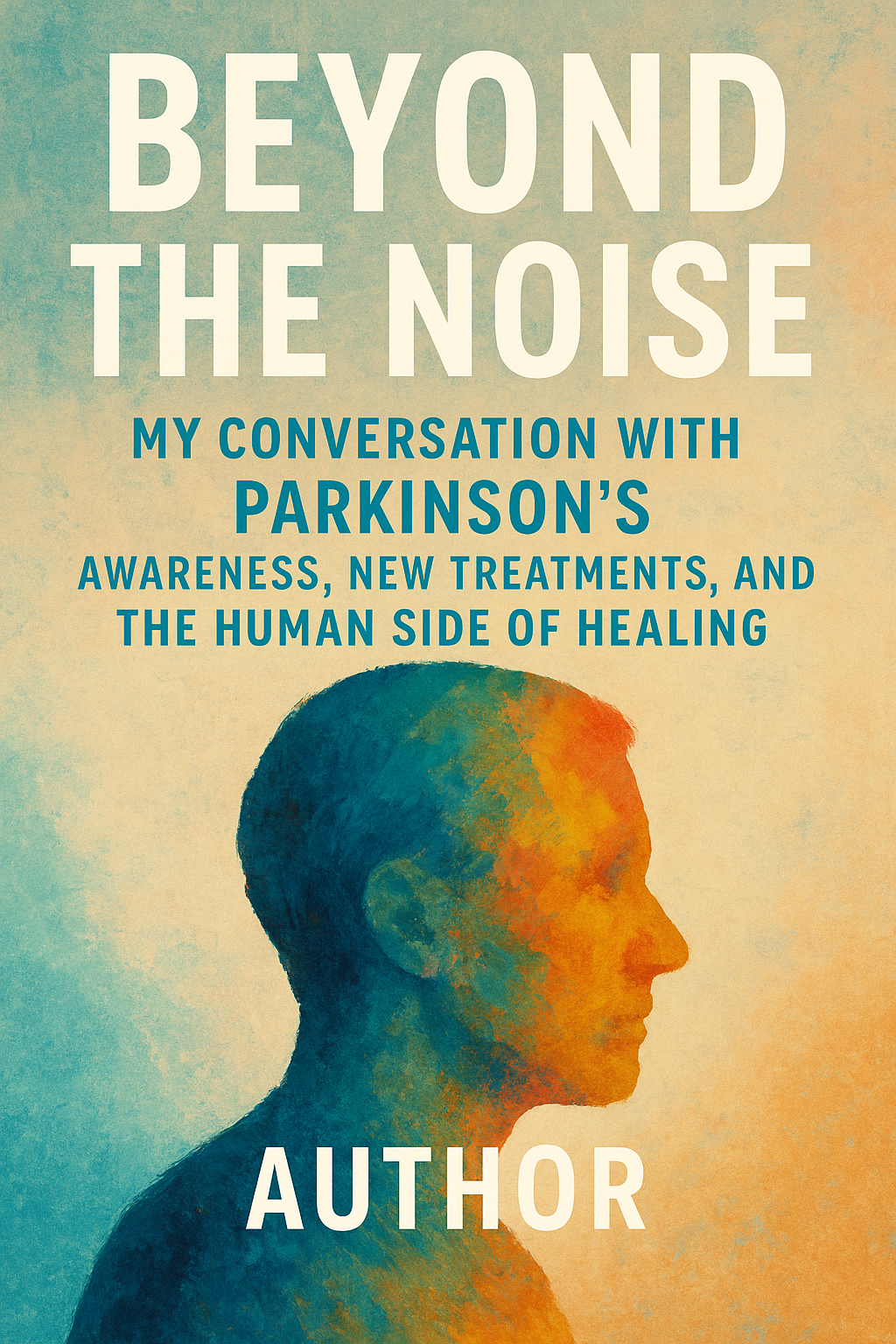
Parkinson’s Awareness Month always sneaks up on me. I remember my neighbor, Edith, taping a giant blue ribbon to her mailbox one April, only to realize later she did it for her late husband, a man who hid his tremor better than his infamous bowling stories. Real stories like Edith’s run through the backbone of this disease—but so does relentless scientific progress. In this blog, I’ll stray from the expected checklist and dive into some everyday truths, overhyped headlines, and those weird, hopeful moments when medicine genuinely surprises us.
Parkinson’s Awareness: Ribbon Campaigns, Walks, and That One Time a Doctor Joined My Dance Class
Every April, Parkinson’s Awareness Month brings a wave of events—ribbon campaigns, fundraising walks, virtual webinars, and more. These Parkinson’s Disease Awareness Campaigns are everywhere, from city parks to social media feeds. The numbers are sobering: more than 90,000 Americans receive a Parkinson’s diagnosis each year, which means that every hour, ten new families are learning to navigate this disease. These statistics are a driving force behind the global push for Parkinson’s Awareness Events and fundraising efforts.
But if you ask me, the real heart of Parkinson’s awareness isn’t just in the big, organized walks or the sea of silver ribbons. It’s in the small, sometimes chaotic gatherings where people connect in unexpected ways. I’ve attended my share of official Parkinson’s Disease Fundraising Events, but my most memorable experience happened in a community center after a Zumba class. We were sweaty, laughing, and catching our breath when a clinical neurologist—still in her work badge—sat down with us. She answered questions over coffee, demystifying symptoms and treatments, and even shared a few stories of her own. It was, hands down, the best unofficial awareness event I’ve ever attended.
Parkinson’s Awareness Month is about more than just raising money or wearing a ribbon. It’s about building community, sharing stories, and sometimes, finding humor in the messiness of daily life with Parkinson’s. Awareness means wrestling with both the heartbreak and the dark humor that Parkinson’s brings into homes. It means listening to real people talk about their experiences, not just reading statistics.
Of course, the official campaigns play a critical role. Organizations like the Focused Ultrasound Foundation have launched major initiatives—like the $10 million campaign in 2022—to fund innovative research for Parkinson’s and other neurodegenerative diseases. As Dr. Suzanne Leblang said,
“During April, which is Parkinson’s Disease Awareness month, I am proud to present this webinar entitled new approaches for Parkinson’s disease treatment.”
These efforts have accelerated clinical trials and FDA approvals for new treatments, including focused ultrasound—a noninvasive procedure that offers hope for patients who don’t respond to medication or surgery. Right now, more than 20 clinical trials are underway, fueled by the momentum of these fundraising and awareness campaigns.
But even as research advances, the human side of healing remains front and center. The stories shared at local support groups, the laughter after a dance class, and the willingness of a doctor to join a coffee circle—these moments are where true awareness grows. They remind us that behind every ribbon and every dollar raised, there are real people living with Parkinson’s, and real communities supporting them.
- Parkinson’s Awareness Month is observed globally every April.
- Over 90,000 new cases are diagnosed in the U.S. each year.
- Fundraising events range from virtual webinars to in-person gatherings.
- $10 million was raised for research by the Focused Ultrasound Foundation in 2022.
What They Don’t Tell You About Symptoms: When Parkinson’s is More Than a Tremor (And Why I Wish My Doctor Had Warned Me)
When I first heard the words “Parkinson’s Disease,” I pictured a trembling hand. That’s the image we all see in pamphlets and public talks. But what I wish someone had told me—and what I wish my doctor had warned me about—is that Parkinson’s Disease symptoms go far beyond a tremor. My friend Andy, for example, never had much of a tremor. His biggest struggle was losing his sense of smell. No one ever mentioned that could happen, and it changed his daily life in ways he never expected.
Parkinson’s Disease Symptoms: More Than Meets the Eye
Most people know about the motor symptoms of Parkinson’s Disease: tremor, stiffness, slowness, and balance problems. These are the symptoms you can see. As Dr. Rebecca Gilbert puts it:
“There is an entire world of symptoms of Parkinson’s disease that are not related to movement… problems with blood pressure, gastrointestinal tract, problems with smell, problems with pain—it’s a very, very long list.”
These non-motor symptoms are just as real, but they’re often invisible. They include:
- Mood disorders (like depression or anxiety)
- Sleep problems
- Blood pressure drops (especially when standing up)
- Digestive issues (constipation, nausea)
- Loss of sense of smell
- Pain and fatigue
Parkinson’s Disease non-motor symptoms can be just as disabling as the motor ones. For some people, they’re the hardest part of the disease. And yet, they’re rarely discussed at diagnosis.
Parkinson’s Disease Symptoms Management: A Moving Target
Managing Parkinson’s isn’t about “fixing” one thing. It’s about adjusting to a revolving door of unpredictable changes. Some days, the tremor is the biggest problem. Other days, it’s the blood pressure drop that makes standing up feel like climbing a mountain. For Andy, it was the little things—like not being able to smell his morning coffee—that chipped away at his sense of normalcy.
Each person’s experience is unique. Some people have only one or two symptoms, while others face a dozen. In fact, up to 12 distinct symptoms—both motor and non-motor—can affect a single patient. And with five new FDA-approved medications for Parkinson’s Disease in the last five years, there are more options than ever. But there’s no one-size-fits-all solution. Treatment plans need to be customized and adjusted over time.
Parkinson’s Disease Exercise Programs and Therapy: Not Just an Add-On
It’s easy to focus on medications and new procedures, but exercise and therapy are just as important for Parkinson’s Disease symptoms management. Physical therapy, occupational therapy, and speech therapy can help keep the body moving and the mind engaged. If you’re not already involved in a Parkinson’s Disease exercise program, it’s never too late to start. These therapies aren’t just “extras”—they’re a crucial part of living well with Parkinson’s.
What I’ve learned is that Parkinson’s Disease is about much more than what you can see. The hidden symptoms, the unpredictable changes, and the need for a flexible, ongoing care plan—these are the things I wish I’d known from the start.
Treatments in the Spotlight: Focused Ultrasound, Deep Brain Stimulation, and the Long Road from Hype to Everyday Help
When I first heard about Focused Ultrasound Parkinson’s Treatment, it sounded almost sci-fi—a helmet, sound waves, and no incisions. But this “incisionless procedure” is now FDA-approved for certain Parkinson’s symptoms and is being tested in over 20 active clinical trials worldwide. As Suzanne Leblang put it,
“Now patients that do not respond to medical therapy and surgery have an option to be treated with focused ultrasound, an incisionless procedure.”
Let’s break down what this means, especially compared to the more established Deep Brain Stimulation (DBS).
Focused Ultrasound: A New Era for Parkinson’s Motor Symptoms
Focused Ultrasound uses precisely targeted sound waves to create a small lesion in the brain area responsible for movement issues. There’s no cutting, no implanted hardware—just a session under a special helmet. The FDA first approved Focused Ultrasound for Parkinson’s tremor in 2018, then for slowness, stiffness, and dyskinesias in 2021. The Focused Ultrasound Foundation is pushing research forward, funding more than 20 clinical trials and working with groups like the Michael J. Fox Foundation to accelerate progress.
- FDA Approval Focused Ultrasound: 2018 (tremor), 2021 (other symptoms)
- Parkinson’s Disease Clinical Trials: 20+ active studies worldwide
- Incisionless, outpatient procedure
But here’s the catch: insurance reimbursement is still a major hurdle. I’ve heard from patients who had to plead with insurers or even turn to fundraising sites to cover the costs. Even with FDA approval, real-world adoption is slowed by these reimbursement issues.
Deep Brain Stimulation vs Focused Ultrasound: Not a Simple Choice
DBS has been around since 1997 in the U.S. It involves surgically implanting electrodes deep in the brain, connected to a pulse generator in the chest. This device delivers electrical impulses to disrupt abnormal brain signals, smoothing out movement symptoms. As Dr. Rebecca Gilbert explains:
“Deep brain stimulation is effective for the symptoms that dopamine treats… but without the ups and downs that the medication can contribute to.”
- FDA Approval: Since 1997
- Implanted hardware, programmable device
- Can treat both sides of the brain for a wider range of symptoms
But the comparison isn’t as neat as some brochures suggest. Deep Brain Stimulation vs Focused Ultrasound comes down to more than just technology—it’s about lifestyle, risk tolerance, and which symptoms dominate your day-to-day life. DBS is more established, but Focused Ultrasound is gaining ground as a less invasive option, especially for those wary of implants or major surgery.
Reimbursement Issues: The Long Road from Hype to Help
Despite the excitement, reimbursement issues for Focused Ultrasound remain a barrier. Coverage varies widely by insurer and region, and many patients still face out-of-pocket costs. Until insurance catches up with the science, the journey from clinical trial to everyday help is slower than anyone would like.
For now, patients and doctors are left weighing the pros and cons, navigating not just the science, but also the realities of access and affordability.
Bonus Round: The Power of Real Stories and What Data Can’t Capture
As we wrap up this conversation about Parkinson’s Awareness Month, new treatments, and the human side of healing, I want to focus on something that often gets lost in the noise: the power of real stories. No matter how many studies I read or how many charts I see, nothing compares to hearing directly from someone who has lived through the experience. Especially when it comes to something as personal and life-changing as Parkinson’s Disease, patient experiences are the cornerstone of true understanding.
During the webinar, we had a very special moment. As promised, “you will hear directly from a Parkinson’s disease patient that had focused ultrasound and his story will give you a truly unique perspective.” This wasn’t just another data point or clinical outcome. It was a living, breathing account of what it’s like to face Parkinson’s every day, try a new therapy, and feel—sometimes for the first time in years—what it’s like to move without a tremor.
I’ve always believed that hearing from patients who have undergone new treatments, like Focused Ultrasound, is more motivating than any statistic. There’s something deeply moving about listening to someone describe life before and after their symptoms changed, even if only for a short while. It’s these moments that stick with us long after the graphs and numbers fade from memory. Patient stories don’t just inform—they inspire. They remind us why we push for better treatments and why awareness months matter.
What data can’t capture is the small, everyday victories: the first time someone can hold a cup of coffee steady, or the relief in a loved one’s eyes when a tremor subsides. These are the moments that drive both community and innovation. Personal perspectives on living with Parkinson’s bring us closer together, helping us understand not just the science, but the soul of this journey.
Research shows that real-life patient experiences are essential for education, advocacy, and decision-making in Parkinson’s Disease. When we listen to these stories, we see the full picture—the challenges, the hopes, and the realities that numbers alone can’t show. Community perspectives, especially during Parkinson’s Awareness Month, remind us that behind every diagnosis is a person with dreams, fears, and a story worth sharing.
As we close, I encourage you to seek out these voices. Whether you’re a patient, a caregiver, a clinician, or simply someone who cares, remember that the most valuable insights often come from those who have walked the path themselves. In the end, I’d trade any number of charts for the chance to chat with someone who remembers life before and after a tremor faded, even briefly. Their stories are the heartbeat of progress—and the reason we keep searching for hope.
Leave a Reply