The Heavyweight Champion: Why Heart Disease Tops the Charts (and the Dinner Table Talk)
Let’s be honest—heart disease isn’t exactly the most exciting dinner table topic. But it’s the one health issue that always finds its way into family conversations, especially when someone close is affected. As much as we might want to talk about anything else, the numbers make it impossible to ignore. When it comes to Cardiovascular Diseases, we’re not just talking about a medical issue; we’re talking about a global heavyweight champion that’s rewriting family stories everywhere.
Heart Disease Overview: The Relentless Leader
Globally, cardiovascular diseases are the leading cause of death. In 2021 alone, these diseases claimed about 19.41 million lives—that’s more than the entire population of the Netherlands. Even more staggering, over 612 million people worldwide are living with some form of cardiovascular disease. When you hear numbers like that, it’s clear why cardiovascular prevalence is a phrase that keeps popping up in health discussions.
Coronary Heart Disease: The Main Culprit
When we break down cardiovascular diseases, coronary heart disease (also called ischemic heart disease) is the most common and deadliest category. It happens when the blood flow to the heart is reduced, often due to plaque buildup in the coronary arteries—a process called atherosclerosis. If the blockage becomes severe, it can lead to a heart attack (acute myocardial infarction), where heart tissue actually dies from lack of oxygen.
In the United States, the numbers are especially sobering. In 2022, coronary heart disease was responsible for 371,506 deaths. To put that in perspective, that’s roughly one American dying from coronary heart disease every 40 seconds. And that’s just one type of heart disease.
Cardiovascular Risks: Why the Odds Are Rising
Despite all our medical advancements, the cardiovascular risks are not going away. In fact, they’re growing. The global burden of cardiovascular diseases is projected to increase dramatically—by 90% in prevalence and 73.4% in crude mortality between 2025 and 2050. That means more people will be living with heart disease, and more families will be affected by its consequences.
Here’s a quick look at the numbers:
- 19.41 million global deaths from cardiovascular disease in 2021
- 612.06 million people living with cardiovascular diseases worldwide
- 371,506 U.S. deaths from coronary heart disease in 2022
- Every 40 seconds: one heart attack in the U.S.
- 1 in every 3 deaths in the U.S. is due to heart disease
- 90% increase in global prevalence projected by 2050
- 73.4% increase in crude mortality projected by 2050
Cardiovascular Prevalence: More Than Just Numbers
These statistics aren’t just numbers—they’re real people, real families, and real stories. I remember a family dinner not long ago where the topic of heart health came up after my uncle’s heart attack. Suddenly, everyone was sharing stories about friends, neighbors, or relatives who’d faced similar scares. It struck me how common these experiences are, yet how often we push them aside until they hit close to home.
There’s a stigma and a sense of denial around heart health. We tend to think of heart disease as something that happens to “other people”—until it doesn’t. The truth is, cardiovascular health is something we all need to take seriously, no matter our age or background.
Heart disease doesn’t just change lives — it rewrites family histories.
Stroke Statistics and the Bigger Picture
While heart attacks get much of the attention, strokes are another major part of the cardiovascular disease spectrum. The risk factors—like high blood pressure, high cholesterol, and lifestyle choices—overlap with those for heart disease. When we talk about cardiovascular prevalence, we’re talking about a wide range of conditions, all of which can have life-altering effects.
So next time heart health comes up at the dinner table, remember: these conversations matter. The numbers are staggering, but the personal stories behind them are what truly drive home the importance of prioritizing cardiovascular health—for ourselves and for those we love.
Under the Hood: Surprising Types of Cardiovascular Diseases (and What They Don’t Teach You in School)
When most people hear “cardiovascular disease,” they immediately think of heart attacks. But the world of heart disease is far more complicated—and, frankly, more dramatic—than what’s covered in most textbooks. If heart disease were a movie franchise, it would have far too many terrifying sequels. Let’s pull back the curtain on some of the lesser-known, but equally serious, types of cardiovascular diseases. Trust me, some of these names sound more like spells from Harry Potter than life-threatening emergencies (I’m looking at you, myocardial infarction).
Beyond the Heart Attack: The Many Faces of Coronary Heart Disease
Coronary Heart Disease (CHD) is the classic villain, but it comes in more flavors than you might expect. Angina, for example, isn’t just “chest pain”—it’s a warning sign. There are two main types:
- Stable Angina: Predictable chest pain that shows up with exertion (think: climbing stairs or running for the bus).
- Unstable Angina: Chest pain that hits even at rest, thanks to an unstable clot and possible thrombosis. This can quickly escalate to a myocardial infarction (heart attack)—a term I once thought was a wizard’s curse, not a medical emergency.
Both are linked to atherosclerosis and high blood pressure, two risk factors that quietly wreak havoc behind the scenes.
Heart Failure: When the Pump Can’t Keep Up
Heart failure is a personal favorite (in the sense that it’s fascinating, not fun). It’s what happens when the heart can’t pump enough blood to meet the body’s needs. The misery is real: chronic tiredness, swollen ankles, and shortness of breath. Heart failure management is a daily struggle for millions. There are three main types:
- Right-Sided Heart Failure: Blood backs up into the liver and abdomen, causing swelling (hepatomegaly and ascites).
- Left-Sided Heart Failure: Blood backs up into the lungs, leading to pulmonary edema and breathlessness.
- Congestive Heart Failure: A combination of both, with congestion everywhere and a dramatic drop in cardiac output.
It’s a relentless cycle—if the underlying problem isn’t fixed, things only get worse.
Cardiomyopathy Types: When the Heart Muscle Goes Rogue
Cardiomyopathies are diseases of the heart muscle itself. There are three main types, each with unique challenges and management strategies:
- Dilated Cardiomyopathy: The heart’s chambers enlarge and weaken, leading to a big decrease in ejection fraction (systolic heart failure).
- Hypertrophic Cardiomyopathy: The heart muscle thickens, making it hard for the chambers to fill. This can cause diastolic heart failure and is notorious for causing sudden cardiac death in young athletes.
- Restrictive Cardiomyopathy: The heart can’t relax properly, often due to stiffened walls. Blood backs up, causing swelling and fatigue.
Aortic Disease: The Silent Threat
The aorta doesn’t get enough attention. An aortic aneurysm is an abnormal widening of the aorta, making it prone to rupture or clot formation. Even scarier is an aortic dissection, where blood tears through the vessel wall, causing sudden, severe pain and often death if not treated immediately. The emotional cost of these conditions is immense—one minute you’re fine, the next you’re in a life-or-death situation.
Peripheral Vascular Disease: Not Just About the Heart
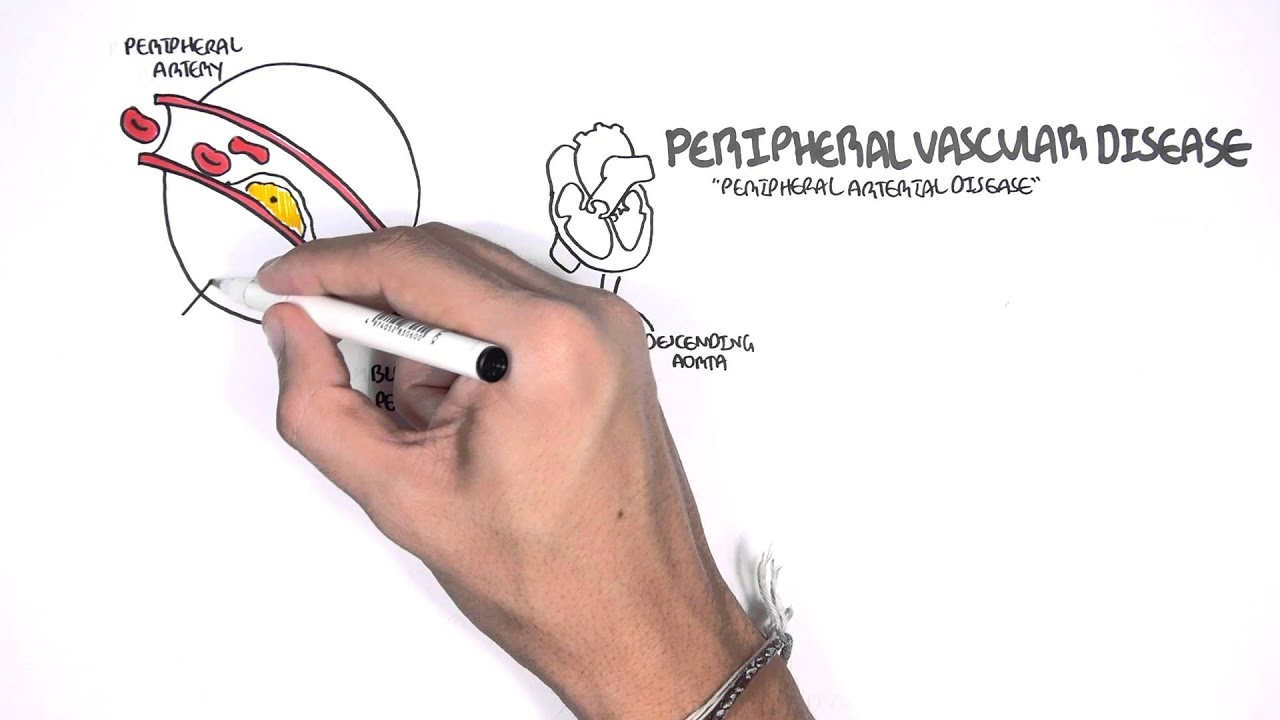
Peripheral Vascular Disease (PVD) is when atherosclerosis blocks blood flow in arteries outside the heart, often in the legs. Symptoms range from leg pain when walking to non-healing wounds. Treatment options include lifestyle changes, medications, and sometimes surgery. It’s a reminder that heart disease isn’t just about the heart—it’s about the whole vascular system.
Valvular Heart Disease and Pericarditis: The Overlooked Trouble-Makers
Valvular Heart Disease involves damage or inflammation of the heart valves. Rheumatic heart disease (caused by untreated strep throat) is a major culprit worldwide. Other forms include aortic stenosis and mitral regurgitation. Surgical repair or replacement is sometimes the only option.
Pericarditis is inflammation of the heart’s protective sac. It can cause sharp chest pain and, in severe cases, lead to pericardial tamponade—a dramatic, life-threatening buildup of fluid around the heart. The name alone sounds like a medical soap opera plot twist.
Congenital Heart Diseases: Born with a Broken Beat
Some people are born with heart defects. Congenital Heart Diseases are the leading cause of infant death in the first year of life. Common types include:
- Patent Foramen Ovale: A hole between the heart’s chambers that doesn’t close after birth.
- Patent Ductus Arteriosus: An open blood vessel that should have closed.
- Coarctation of the Aorta: A narrowing of the aorta.
- Tetralogy of Fallot: A combination of four defects, including a hole in the heart and thickened muscle.
Each condition has its own prognosis and management, but all require careful, lifelong attention.
“If heart disease were a movie franchise, it would have far too many terrifying sequels.”
Taking Control: What You Can Actually Do About It (Spoiler: More Than You Think)
When it comes to cardiovascular diseases, it’s easy to feel powerless. The numbers are staggering—every 40 seconds, someone in the U.S. has a heart attack. The global burden is immense, with direct costs for cardiovascular diseases making up 11% of total U.S. health expenditures from 2020 to 2021. But here’s the truth I wish I’d understood sooner: you have more control than you might think. The journey to better cardiovascular health isn’t just about high-tech medicine or genetic luck. It’s about the choices we make every day, the risks we learn to spot, and the small steps that add up over time.
First, let’s talk about risk factors. Atherosclerosis—the buildup of fatty deposits in your arteries—is a silent threat that can lead to heart attacks, strokes, and heart failure. High blood pressure is another major culprit, often going unnoticed until it causes real damage. And yes, genetics play a role. If heart disease runs in your family, you’re starting with a higher baseline risk. But that doesn’t mean you’re doomed. I used to think my family history was a ticking time bomb, but I’ve learned that knowledge is power. Spotting these risk factors early gives you a head start on prevention and management.
Now, about those everyday choices. I know it sounds simple, but things like walking the dog, choosing a salad over fries, or making sure you get enough sleep can make a real difference. I used to roll my eyes at advice like this—how could a brisk walk or a few extra hours of sleep really matter when the problem seemed so big? But the research is clear: lifestyle interventions are as important as medical advances. Regular physical activity helps prevent atherosclerosis and keeps your blood pressure in check. Eating more fruits and vegetables and less processed food supports heart attack prevention. Even small changes, like taking the stairs instead of the elevator or swapping soda for water, can add up over time.
Managing underlying causes is another unsung hero in the fight for cardiovascular health. Conditions like hypertension and diabetes may not get as much attention as heart attacks, but they’re often the root of the problem. Heart failure management, for example, is all about addressing these underlying issues and improving quality of life. It’s not glamorous, and it doesn’t happen overnight. But keeping blood pressure and blood sugar under control can prevent bigger problems down the road. I’ve seen loved ones ignore these “minor” issues, only to face major consequences later. Trust me, it’s worth the effort to stay on top of your numbers and follow your doctor’s advice.
It’s easy to put off thinking about your heart until something scary happens—a near-miss, a family member’s emergency, or a wake-up call from your own body. I’ve been there, and I don’t want you to learn the hard way like I did. Prevention isn’t just a buzzword; it’s a real opportunity to change your story. The earlier you start paying attention, the more options you have. And if you’re already living with cardiovascular disease, remember that management is about more than just medication. It’s about building habits that support your heart every day.
“Imagine if you treated your heart like your smartphone—constant checkups, protective cases, and all.”
We’re quick to protect our devices, but our own hearts deserve at least as much care. Regular checkups, knowing your numbers, and making small, consistent changes can have a huge impact. The global burden of cardiovascular disease is real, but so is your power to make a difference—starting with yourself. Whether it’s heart attack prevention, managing heart failure, or simply improving your cardiovascular health, every step counts. Don’t wait for a crisis to take action. Your heart is worth it, and so are you.
Leave a Reply