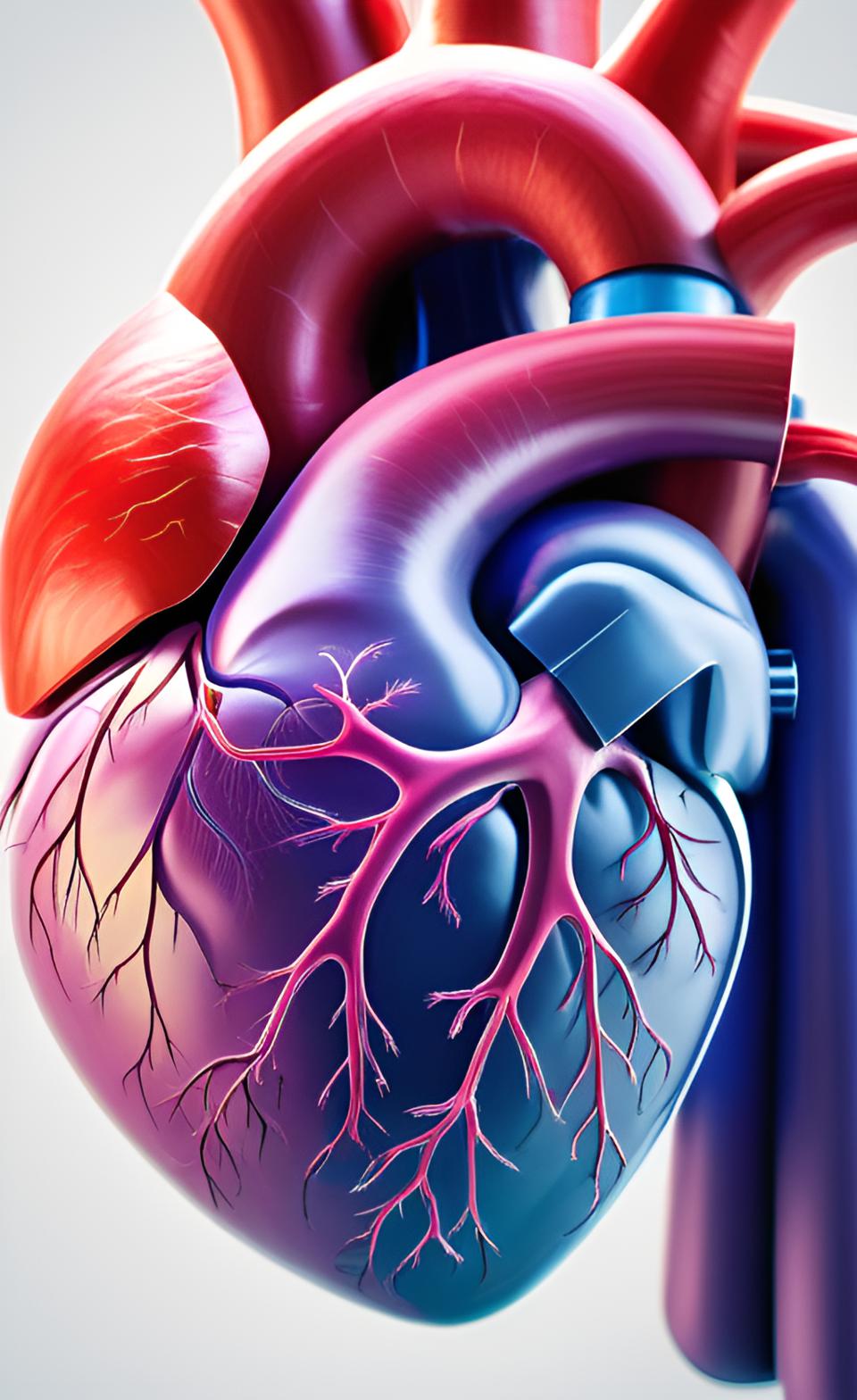
hey everyone it’s s with register nurse rn.com and in this video I’m going to be going over part two of heart failure this video is part of a Cardiovascular inlex Review series that I’m going to be covering and in the previous video I covered part one of heart failure and I talked about the patho of heart failure the signs and symptoms the different types and things like that so if you haven’t watched that video be sure to check that out because that video builds upon this video and a card should be popping up so you can access that so what I’m going to do in this video is I’m going to be covering the nursing interventions and the medications given specifically in heart failure because that is really what the inlex exam and your nursing lecture exams like to hit on because as the nurse you need to know what your role is you need to know how to educate the patient and those common side side effects of those medications you’ll be giving in heart failure and then after you watch this lecture be sure to go to my website register nurse rn.com and take the free inlex quiz that will test you on heart failure and a card should be popping up so you can access that so let’s get started first let’s recap and talk about what is heart failure heart failure is where the heart is to weak to pump efficiently so it can’t properly give your body the cardiac output it needs to maintain the metabolic needs so you get some major issues going on and remember from the other video your left side of your heart or your right side of the heart can be affected or you can have both so remember with left-sided heart failure you’re going to get the pulmonary symptoms and with right sided heart failure you’re going to get those peripheral symptoms and the most common type of heart failure is left-sided and it can cause right-sided heart failure so keep those things in mind whenever we’re talking about medications and things like that so what are the nursing interventions let’s cover that first what is is your role as a nurse in a nutshell what you’re going to be doing is you’re going to be assessing that patient educating that patient and administering medications so first let’s talk about the assessing part what are you going to be doing okay as a nurse you were going to be assessing assessing their symptoms how are their symptoms are they presenting worse than before like if they’re in right-sided heart failure how is that peripheral swelling is it going down because chances are they’re going to be on medications are they responding appropriately to that or they getting worse um left side remember you get those pulmonary issues is the patient breathing better is there less crackles how are they doing with that next you’re going to be assessing the patient’s responsiveness to those medications medications such as digoxin you got to watch that heart rate because it can slow the heart rate down beta blockers things like that so you want to have them on continuous monitoring or be checking their Vital Signs often watching their blood pressure because they’re going to be on ACE inhibitors arbs or vasodilators and that really messes with the blood pressure and plus you’re shifting fluids out of the body they’re in fluid overload and you’re getting rid of fluids because they’re so they’re at risk for orthostatic hypotension and you’re going to be monitoring their volume status because we’re trying to diase them we’re trying to remove that fluid so they’re going to be on diuretics Chances Are The Physician will order fly catheter because a lot of times these patients come in they’re in fluid overload they’re going to be started on Ivy maybe Loop Diuretics like lasic it’s very strong diuretic especially going the intravenous route so they may need a foli to help drain all that urine that’s going to be coming out because getting up and going to the bathroom will wear them out because they’re already the respiratory system is already compromised and just going back and forth to the bathroom puts a lot of strain on them and you’re going to be monitoring assessing those daily weights every morning you’re going to get them up on a scale or use the bed scale and you want to monitor that weight because it’s very important how much weight they’re losing or possibly gaining then you’re going to monitor and look at those labs specifically you really want to watch potassium levels because a lot of the medications given in heart failure can cause hypo calmia or hyperemia for instance Lasix Lasix is a diuretic that wasts potassium so you really got got to monitor that lasx level um especially if they’re on dexin because if you have low potassium that can increase the chances of dexin toxicity hyperemia medications that can cause that that are sometimes prescribed in heart failure are like those potassium sparing diuretics that actually do the opposite of Loop Diuretics they keep potassium like alao and ACE inhibitors and arbs they can increase potassium so if you have a patient on an Ace inhibitor and aldactone are at Major risk for hyperemia so you have to tell the patient to watch their potassium intake also you’re going to be assessing and making sure they are following their cardiac diet and their fluid restriction diet a lot of patients have issues with this because um especially the fluid restriction diet normally they can only have about 2 liters of fluid a day so you have to constantly monitor what they’re having for breakfast for lunch and dinner and in between make sure they’re not cheating on that diet because we’re getting r of that extra fluid and we don’t want to just be putting it back in then we’re going to assess the edema in the legs that goes back to the patient’s responsiveness uh helping keep those legs elevated whenever they’re in bed will help promote returning that extra fluid back into the vascular system hopefully being excreted through the kidneys and keeping them in high fowers position to help with respiratory that position setting upright helps the lungs expand and helps decrease dispan next safety this is a big issue with your heart failure patients because number one chances are they’re going to be on some Vaso dilators or some other blood pressure medicine and um the body whenever they shift positions maybe lying in the bed they get up they can get really dizzy and they’re at risk for falling so you want to make sure you monitor them for that and the extra swelling and the legs and the feet make it really hard to walk and put the feet on the ground and it can lead to them falling okay now educating this is a big piece so remember this stuff write it down because as the nurse we want to educate our patients with heart failure and regardless if you’re not working on a cardiac unit maybe you’re going to work on Ortho your chances are you’re going to get patients with heart failure because this affects a lot of patients so our goal with educating is that we want to prevent readmission this disease process causes a lot of readmissions to the hospital and we want to prevent C um heart failure exacerbation so what you want to teach your patients is the following follow a low sodium diet guidelines are no more than two grams per day sometimes three so no more than two to three grams of sodium per day in your diet watch uh the hidden salts like in canned foods your sandwich meat your frozen meals things like that that you wouldn’t normally think have a lot of sodium in but do it in soft drinks next fluid restriction the doctor wants them on fluid restriction they need to make sure they monitor how much they drink a day because some of these medications can make you thirsty so um no more than two lers a day of fluid vaccinations make sure that they are they need to be aware that they need to get an annual flu vaccine and that they’re up to date on their pneumonia vaccine because illnesses can EXA exacerbate heart failure because it stresses the heart out when a patient gets sick next aerobic exercises that’s like your cardiovascular exercise they need to do light moderate exercise to keep that muscle nice and strong and do that as tolerated once their sympt symptoms start dissipating next daily weights it is so important that they weigh themselves every day because it is an early sign of CHS um heart failure exacerbation if they’re gaining weight so the guideline is if they’re weighing theirselves make sure they’re writing them down um they need to notify their doctor if they’re gaining any more than 2 to three pounds per day or 5 pounds per week that is signaling hey you’re starting to retain fluid something’s going on let’s go to the doctor um maybe they can prescribe some more diuretics so I don’t have to go to the hospital and readmit it so daily weight’s very important next compliance with medications a lot of times especially working as a nurse I have just seen where patients have quit taking their medicines maybe they couldn’t could afford their medicine so they quit taking them and this sent them into heart failure exacerbation so um very important they take those medicines next smoking sensation quits smoking very bad with the heart causes Vaso constriction hard on the heart and limiting alcohol consumption next um teach your patient those early signs and symptoms we just talked about the weight gain also if they notice that all of a sudden they can’t tolerate normal activities that they were doing like just getting up and going into the kitchen they notice that they’re starting to get a little short of breath or at night whenever they’re trying to sleep that they have to put a couple pillows behind them to sleep better which is called orthopedia those are some warning signs that hey I may be going into heart failure exacerbation now let’s look at the medications for heart failure when you’re studying these medications for the enclex or for your nursing lecture exams make sure you know the drug categories that are given in heart failure and what drugs are included in that category and how they work on the body the pharmacodynamics and their side effects and patient education very important key points you want to remember okay to help you remember the drug categories that are given in heart failure remember this pneumonic always administer drugs before a ventricle dies in heart failure our issue is with the ventricles they are either not pumping they’re not Contracting properly or they’re too stiff so they’re not filling properly so we want to make this heart work easier especially these ventricles so that pneumonic should help you remember those drugs that are included so the first a ACE inhibitors ACE inhibitors stands for Angiotensin converting enzyme and this is usually the first line of treatment in patients with heart failure and and it’s sometimes prescribed with a beta blocker which we’ll go over a little bit later these drugs tend to end in p iil and one example of a ace inhibitor is linil and how this drug works is that it blocks the conversion of an Angiotensin one to anot tensin 2 so you don’t have the conversion of anot tenson one going to anot tensin 2 and what does what how does that work well we know when ever Angiotensin 2 works it causes Vaso constriction but it’s not allowed to do that so in turn you’re going to get vasodilation which is going to decrease the heart the blood pressure and you’re going to get kidney excretion of sodium think back whenever Ang Angiotensin is being blocked what’s going to happen is it’s going to cause your aldosterone levels to decrease what does aldosterone do aldosterone whenever ever it’s being decreased it will cause your kidneys to keep potassium but excrete sodium which is what we want in heart failure we’re trying to get rid of all that extra sodium and fluid in the body and this strug is helping us get rid of that extra sodium however because it’s doing that it’s going to keep this H potassium but get rid of the sodium we have to watch out for side effects of hyperemia H potassium levels and for some reason with this drug these patients can develop a nagging dry cough and I have seen this as a nurse it’s for real and it really does happen they will literally cough every 3 to four minutes just this just over and over and over and it drives them crazy and it drives the people around them crazy so some people can’t tolerate this drug next drug arbs they if the patient cannot tolerate an Ace inhibitor they’ll be place on an ARB and how do arbs work ARB stands for angiotensin two receptor blockers so they’re a little bit similar so let’s look okay these like I said are used in place of ACE inhibitors they end in stin s a r t a n type of drug of this is low sartin and they work by blocking anot tensin 2 receptors so instead of blocking the conversion of angiotensin one anot tension 2 like the ACE inhibitors did this works by just blocking The receptors so again you’re going to get some Vaso dilation and it’s it’s going to have the same effects on the body as your ACE inhibitors because you’re going to have that decreased aldosterone and the patient’s going to keep potassium but excrete sodium however a side effect with this is hyperemia just like with ACE inhibitors but they will not get that dry hacking cough okay our other draw diuretics D these um either patient will be prescribed on Loop Diuretics or potassium sparing diuretics and these diuretics are used in a combination with these ACE inhibitors or an ARB they’re used together and um what your diuretics do is it helps your body get rid of that water and that sodium retention because in heart failure what we’re doing is retaining all this water we got edema everywhere retaining sodium so it helps us to excrete that decrease that edema and it helps the heart pump easier because it doesn’t have all that fluid volume in its Chambers trying to pump so it’s getting rid of that however a side effect of this is that this patient will urinate a lot so as a nurse you want to be monitoring that urine output very very closely and you want to monitor their bu and creatin and making sure we’re not diuresing them too much and putting too much strain on those kidneys okay an example of a Lube diuretic is Lasix remember with Lasix or Loop Diuretics they waste pottassium so before you get potassium I mean before you give Lasix check those potassium levels to make sure that they’re good because you go in and give some lasic and their pottassium levels already too you’re going to bottom that out even more so a lot of times Physicians will prescribe potassium supplements along with lasx and potassium sparing drugs drug alao um what these do they do the opposite of Loop Diuretics they keep um potassium so you have to watch out for um educate the patient not to consume foods that are high in potassium and to especially watch if your patient is on an ace or an R because remember they keep potassium and if they’re taking alaon you have a double risk of increasing that potassium level next beta blockers how do beta blockers work they work by blocking the nor epinephrine effects on the heart muscles so norepinephrine will naturally increase your heart rate so we’re going to block that from happening so beta blockers are going to slow down the heart rate they have a negative inotropic effect which increases my cardial contraction hence a fancy word for slowing the heart rate which will in turn decrease your heart’s workload because it is overworked in heart failure these drugs end in LOL typical ones used in heart failure are mopol carvol and bisol now typically the way that these beta blockers work they slow down your heart so they weaken the heart heart’s contraction so in some forms of heart failure especially acute heart failure that deals with systolic dysfunction you don’t initially want to use these beta blockers because let’s think back to the other lecture what is systolic ventricular dysfunction systolic that is the squeezing phase of the heart so there is an issue with this ventricle being able to squeeze that blood out so if we throw if this patient is an acute systolic dysfunction and we throw a beta blocker on them it’s going to weaken that heart contraction even more and we don’t want to do that because we have a contraction problem so it will sometimes the beta blockers will be used in stable systolic dysfunction and a lot of times these beta blockers are prescribed with ACE inhibitors or those arbs in combination now a lot of times beta blockers are used in disa diastolic dysfunction heart failure and what was ventricular diastolic dysfunction that was where remember di is the filling phase of the heart the resting phase and there’s an issue with the ventricle maybe it’s too stiff and it doesn’t fill properly with all that blood it needs to fill with but what a beta blocker can do is slow down that heart rate let that ventricle rest a little bit longer and fill more with blood so it can squeeze it out because it’s squeezing mechanisms gray it’s just the feeling so sometimes it will be used to treat um ventricular diastolic dys function now side effects of your beta blockers remember this um braa cardia so before you give a beta blocker check the heart rate make sure they’re not too braed cardic um it can mask hypoglycemic signs and symptoms in diabetics a lot of times a diabetic knows when their sugar is low because they may get Tac cardic hence you’re not going to get Tac cardic with brocard with beta blockers because it slows the heart rate down or they can get sweaty things like that and that mask those symptom so you need to teach your diabetics that and beta blockers can cause respiratory issues so it’s t they’re typically not prescribed especially the ones that aren’t selective for patients with COPD or asthma because it could cause Bronco constriction and um whenever the patients take these tell them not to take them with any type of juices especially grapefruit juice because it can interfere with your body’s absorption of the beta blockers okay next let’s look at a for anti-coagulant these are not used in every patient with heart failures so um typically it’s going to be used in heart failure patients who a lot of times heart failure and atrial fibrillation go hand in hand uh and you know with aib those Atrium are just quivering blood is pulling in there when blood pulls that’s not good because a clock can form can shoot through the heart and we can have an embolism so um if a patient’s in aib with heart failure they may be starting on an anti-coagulant or they have a history of blood clots or they have an ejection fraction less than 35% we talk about we talked about in the other video what ejection fraction was and um this is where your heart is not squeezing all that blood out properly so contraction isn’t good and if it’s not squeezing all that blood out that’s normally going in there with systolic dysfunction you’re going to have more blood pull in there so there’s a increased chance of developing a clot and shooting it through the heart okay next the for vasod dilators um a lot of times these are prescribed if a patient can’t tolerate an Ace inhibitor or an arm because it works by causing dilation and um One Drug which is an arterial dilator is hydrazine and it’s a lot of times sometimes prescribed with a nitrite called isroil and that is a Venus dilator hydrazine is is a specific drug that acts specifically on your um arteries and isoil is what acts on your veins so what happens is that you get dilation going on of those arteries and veins what how does this work how does it benefit the heart it decreases blood and fluid going back to the heart because the heart is already overloaded in heart failure with all this blood and all this fluid so we got all this nication going on and it will decrease the amount of fluid that’s going back and the workload that your heart has to undergo however side effects with this are hypotension because anytime you have dilation going on the patient is at risk for hypotension so you want to measure that blood pressure make sure it’s good before you get it and they are at risk for orthostatic hypotension so say your patients on these medications they’re laying in bed they need to get up to go to the bathroom you want to get them up slowly and gradually because they can get dizzy they can pass out and fall so you want to watch safety issues with that next D for de how does dexin work on the body I would remember this for sure okay it has a positive inotropic mechanism which means that it has that the heart has an increased ability to pump stronger however it has a negative chronotropic mechanism that allows it to beat slower so it’s a win-win it beats slower but it pumps more efficiently so this allows the heart to rest and P pump more blood which is great if you have left ventricular systolic dysfunction which is what this drug is sometimes used in however it’s not used as first line treatment for heart failure um it’s going to be used alongside with your ACE inhibitors or your diuretics because dexin can be a nasty drug it has toxicity issues and if a patient um has a low pottassium level goes into hypokalemia potassium level less than 3.5 they can go into into dexin toxicity so with this drug you want to monitor the drug levels um I would remember this a normal dexin level is .5 to two nanograms per milliliter this is where you want that patient to hang out anything higher than two is bad deox and toxicity and signs and symptoms of dit toxicity classic I have seen this this does happen um they’ll have nauseum vomiting and they’ll report some Vision change es uh they may all of a sudden start seeing some yellowish green Halos um they can be bra aaric as well and what would happen you notify the physician immediately don’t give another dose of dexin and um The Physician will probably order the antidote for dexin which is digine very easy to remember it tells you what it is digine d i g i b i n d matches dejin that is the antidote for that um whenever you are giving dexin as a you all always want to check the apical pulse and make sure it’s greater than 60 beats per minute before giving the dose okay so that is a review the part two review of heart failure be sure to go to my website register nurse rn.com and take that free quiz and thank you so much for watching and please consider subscribing to this YouTube channel
Leave a Reply