Blog

  • Beyond the Stereotypes: A Candid Journey Through Alzheimer’s Disease and Its Many Faces

    Beyond the Stereotypes: A Candid Journey Through Alzheimer’s Disease and Its Many Faces

    I’ll never forget the first time I met someone with Alzheimer’s. My neighbor, Mrs. Delacroix, had a knack for baking but—somewhere between stories of Paris and the timer beeping—she’d forget why she’d entered the kitchen. Her laughter about such moments was contagious, but behind it lurked anxiety. Those encounters taught me that Alzheimer’s isn’t just about memory loss; it’s a tapestry of subtle symptoms, stories, and scientific mysteries. So, let’s toss aside the stereotypes and explore Alzheimer’s disease, from its puzzling beginnings in 1901 to the modern day quest for clarity and compassion.

    The Many Shades of Alzheimer’s: Clinical Syndromes You Might Not Expect

    When most people think of Alzheimer’s disease, they picture an older adult struggling to remember names, appointments, or recent conversations. While memory loss is the most recognized symptom, it’s only one face of this complex neurodegenerative disease. In reality, Alzheimer’s disease clinical syndromes are varied, and the first signs can be far from what you might expect. Sometimes, the earliest clues are not about memory at all, but about how a person sees, speaks, or even behaves.

    Memory Loss: The Classic but Not the Only Symptom

    The most typical presentation of Alzheimer’s disease is what doctors call the amnestic syndrome. This means the main problem is with memory, especially short-term memory. People may forget recent events, repeat stories, misplace belongings, or ask the same questions over and over. As the disease progresses, they might even forget conversations that happened just minutes ago. Interestingly, memories from long ago often remain clear until later stages.

    It’s easy to worry about our own forgetfulness. I remember once thinking my tendency to lose my keys was a sign of insight into Alzheimer’s—turns out, losing your keys isn’t the same as forgetting what keys are for. True cognitive decline in Alzheimer’s disease goes beyond simple forgetfulness; it’s about losing the ability to form new memories or understand the purpose of familiar objects.

    Beyond Memory: Visual Processing Syndromes

    Not all Alzheimer’s disease symptoms start with memory. In some people—often younger individuals in their 50s or early 60s—the first signs are visual. This is called posterior cortical atrophy (PCA), sometimes referred to as the “visual variant” of Alzheimer’s. Instead of forgetting names or dates, these patients struggle to make sense of what they see.

    • They may get lost in familiar places, unable to navigate their own home or neighborhood.
    • They might have trouble finding objects right in front of them, like milk in the fridge.
    • Recognizing faces, even of close family, can become difficult.
    • Simple tasks like setting a table or pouring a drink can be confusing because of problems judging space and size.

    These patients are the least likely to not have insight of their disease, meaning…they are the ones that recognize the most that there is a problem going on. This awareness can lead to anxiety or depression, as they realize something fundamental has changed in how they experience the world.

    Language and Frontal Lobe Syndromes: When Words and Behavior Change

    Another set of Alzheimer’s disease clinical syndromes involves language. Some people develop what’s known as a language syndrome or primary progressive aphasia. The first signs here are trouble finding words, following conversations, or understanding speech. Over time, reading and writing can also become difficult.

    There are also frontal lobe syndromes, where changes in personality, judgment, or behavior come before memory loss. Someone might become impulsive, lose their sense of empathy, or struggle with planning and organization. These symptoms can be confusing for families, who may not immediately connect them to Alzheimer’s disease.

    The Spectrum of Cognitive Decline

    Alzheimer’s disease is a progressive neurodegenerative disease, and its symptoms can appear in many forms. The journey often begins long before anyone notices, with subtle changes that may not interfere with daily life. This early stage is called mild cognitive impairment (MCI). People with MCI might notice changes in thinking or behavior, but they can still manage their daily activities independently. Not everyone with MCI will go on to develop dementia, and not all dementia is caused by Alzheimer’s disease.

    Key Points to Remember

    • Memory loss is only one face of Alzheimer’s disease—visual and language difficulties can be the first clues.
    • Younger individuals can present with visual syndromes before memory issues arise.
    • Symptoms can include misplacing belongings, repeating stories, getting lost, or emotional changes.
    • Patients with posterior cortical atrophy struggle to navigate familiar spaces and recognize faces.

    Since Alois Alzheimer first described the disease in 1901, our understanding has grown. Today, we know that Alzheimer’s can start with problems in memory, vision, language, or behavior. Recognizing these many shades of Alzheimer’s disease helps us support patients and families with compassion and clarity.


    A Journey Through Time: Historic Cases and How Diagnosis Has Evolved

    When most people picture Alzheimer’s disease, they imagine someone in their eighties, gradually losing memories. But the very first described patient, Auguste Deter, was just 51 years old—much younger than the stereotype. Her story, and the way her illness was first documented, marks the beginning of our understanding of Alzheimer’s disease and how its diagnosis has changed over time.

    The First Case: Auguste Deter and Dr. Alois Alzheimer

    On November 25, 1901, Carl Deter, a German office clerk, brought his wife Auguste to a mental institution in Frankfurt. He could no longer care for her at home. She had been struggling with memory loss for several years, but her symptoms went far beyond simple forgetfulness. Carl described her as having paranoid delusions—she believed he was unfaithful and that people were trying to kill her. She struggled to find words, had trouble speaking, and sometimes heard voices that weren’t there. Her behavior became unpredictable, and she seemed lost in her own world.

    That night, a young physician named Alois Alzheimer, just 27 years old, examined Auguste. He wrote detailed notes about their conversation:

    He asked her, “What is your name?” She answered, “Auguste.” Last name? “Auguste.” What is your husband’s name? “Auguste, I think.” When asked if she was married, she replied, “Yes, Augusta D.” When shown a pencil, she called it a pen. When asked again what it was, she said, “I don’t know. It’s difficult… so anxious, so anxious.”

    These handwritten notes, filled with patient dialogue and observations, became the foundation for diagnosing Alzheimer’s disease. Auguste Deter’s case was unique not just because of her age, but also because Dr. Alzheimer paid such close attention to her words, her confusion, and her emotional state. She passed away in 1906, about five years after her admission. Dr. Alzheimer requested her brain for examination.

    From Bedside Observation to Biomarkers and PET Scans

    After Auguste’s death, Dr. Alzheimer examined her brain under a microscope. He described two key findings: what we now call neurofibrillary tangles and amyloid plaques. These are the classic pathological hallmarks of Alzheimer’s disease. As he wrote,

    He described what we now know…as neurofibrillary tangles and amyloid plaques, which have become the pathologic hallmark of this disease.

    It wasn’t until 1910 that the term “Alzheimer’s disease” was officially coined by another psychiatrist in a handbook of psychiatry. For decades, diagnosis relied almost entirely on careful observation, patient stories, and, eventually, post-mortem brain analysis. There were no blood tests, no scans, and certainly no talk of biomarkers. The process was deeply personal—built on handwritten notes, patient anecdotes, and the ability to notice subtle changes in behavior and memory.

    Modern Diagnostic Testing: The Era of Biomarkers and PET Scans

    A few years ago, I assumed that brain science was all about high-tech imagery and computers. But the truth is, handwritten notes and patient stories still matter. What’s changed is that today, we can combine those observations with advanced technology. Diagnostic testing for Alzheimer’s disease now includes fluid and imaging biomarkers, such as amyloid PET scans. These tests allow doctors to see amyloid plaques and tau tangles in the living brain—something Dr. Alzheimer could only dream of.

    • Amyloid plaques and neurofibrillary tangles are now visible through specialized PET scans, providing direct evidence of disease in the brain.
    • Alzheimer’s disease biomarkers in blood and spinal fluid can signal the presence of disease years before symptoms appear.
    • Diagnostic testing for Alzheimer’s disease now blends clinical interviews, cognitive testing, and advanced imaging for a more precise and earlier diagnosis.

    Modern medicine seeks nuance. We don’t just look for a single label; we try to understand the stage, the type, and the individual experience. PET scans and biomarkers have changed the game, but the heart of diagnosis still lies in listening to the patient’s story—just as Dr. Alzheimer did over a century ago.


    Progression and Perception: From Mild Cognitive Impairment to Dementia, and the Unexpected in Between

    When we talk about Alzheimer’s disease symptoms and the broader topic of cognitive decline, it’s easy to fall into the trap of thinking there’s a single, predictable path. The truth is much more complex—and often, more hopeful. The journey from mild cognitive impairment (MCI) to dementia is not a straight line, and it’s filled with unexpected turns, pauses, and even detours that challenge our assumptions about aging and memory loss.

    Let’s start with the basics. Mild cognitive impairment is a clinical state where a person experiences a noticeable decline in thinking or behavior. This decline can be due to many causes, but in the context of Alzheimer’s disease, it means there are changes in memory, reasoning, or judgment that are greater than expected for age, yet not severe enough to significantly interfere with daily life. People with MCI might forget appointments or lose track of conversations, but they can still manage their medications, pay bills, shop, cook, and maintain personal hygiene. They remain independent, even if they—or their loved ones—notice something is different.

    Dementia, on the other hand, is diagnosed when cognitive or behavioral decline becomes significant enough to interfere with a person’s independence. It’s not just about forgetting where you left your keys; it’s about losing the ability to manage finances, keep up with household tasks, or even remember to eat. As dementia progresses, individuals become increasingly reliant on family, friends, or professional caregivers for support in their day-to-day lives. The loss of independence is what truly separates dementia from MCI.

    One of the most important things I’ve learned on this journey is that not every person who has dementia or MCI necessarily has Alzheimer disease. These terms—mild cognitive impairment and dementia—are clinical descriptions, not diagnoses of a specific illness. Many different conditions can cause cognitive decline, from vascular changes in the brain to medication side effects, depression, or even sleep disorders. That’s why a clear and thorough diagnosis is so important. It’s not just about labeling; it’s about understanding the underlying cause so that care and treatment can be tailored to the individual’s needs.

    There’s also a common misconception—even among clinicians—that forgetting recent events always means dementia. In reality, we all have moments of distraction or forgetfulness, especially when we’re stressed or tired. The key difference is whether these lapses interfere with daily functioning. If someone is still able to live independently, manage their responsibilities, and adapt to new challenges, then what they’re experiencing may be mild cognitive impairment—or even just normal aging.

    Another surprising aspect of cognitive decline is how early the journey can begin. Research shows that changes in the brain related to Alzheimer’s disease can start decades before any symptoms appear. This so-called “asymptomatic” phase is invisible to the person and those around them. It’s only later, when symptoms become noticeable, that the clinical labels of MCI or dementia come into play. This is why early diagnosis is so crucial—it allows for better planning, support, and intervention, potentially slowing the progression of symptoms and improving quality of life.

    It’s also important to remember that not everyone with mild cognitive impairment will progress to dementia. Some people remain stable for years, while others may even improve, especially if the cause of their symptoms is identified and treated. For those who do progress, the transition is often gradual. Independence may be maintained for a long time before more serious decline sets in. And even within dementia, there are many different faces—some people experience changes in memory, while others struggle more with language, behavior, or movement.

    Not every person who has dementia or MCI necessarily has Alzheimer disease.

    In the end, the journey from mild cognitive impairment to dementia is deeply personal and rarely follows a predictable script. It’s shaped by genetics, lifestyle, medical history, and countless other factors. What matters most is recognizing the early signs, seeking a clear diagnosis, and building a support system that honors the individual’s strengths and needs. By moving beyond stereotypes and embracing the full spectrum of cognitive decline, we can offer hope, understanding, and dignity to those living with Alzheimer’s disease and its many faces.
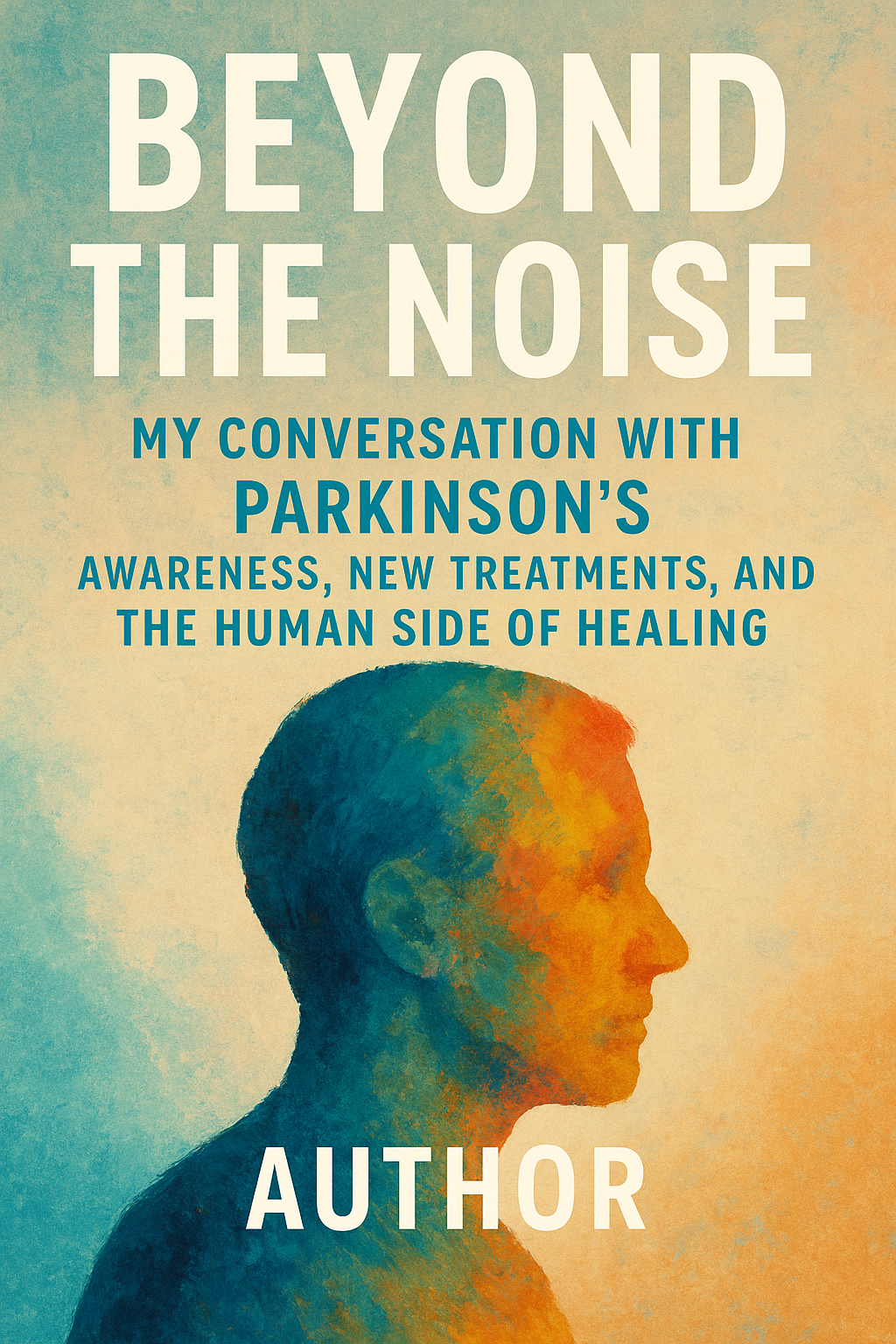
  • Beyond the Noise0- My Conversation with Parkinson’s Awareness, New Treatments, and the Human Side of Healing

    Beyond the Noise0- My Conversation with Parkinson’s Awareness, New Treatments, and the Human Side of Healing

    Parkinson’s Awareness Month always sneaks up on me. I remember my neighbor, Edith, taping a giant blue ribbon to her mailbox one April, only to realize later she did it for her late husband, a man who hid his tremor better than his infamous bowling stories. Real stories like Edith’s run through the backbone of this disease—but so does relentless scientific progress. In this blog, I’ll stray from the expected checklist and dive into some everyday truths, overhyped headlines, and those weird, hopeful moments when medicine genuinely surprises us.

    Parkinson’s Awareness: Ribbon Campaigns, Walks, and That One Time a Doctor Joined My Dance Class

    Every April, Parkinson’s Awareness Month brings a wave of events—ribbon campaigns, fundraising walks, virtual webinars, and more. These Parkinson’s Disease Awareness Campaigns are everywhere, from city parks to social media feeds. The numbers are sobering: more than 90,000 Americans receive a Parkinson’s diagnosis each year, which means that every hour, ten new families are learning to navigate this disease. These statistics are a driving force behind the global push for Parkinson’s Awareness Events and fundraising efforts.

    But if you ask me, the real heart of Parkinson’s awareness isn’t just in the big, organized walks or the sea of silver ribbons. It’s in the small, sometimes chaotic gatherings where people connect in unexpected ways. I’ve attended my share of official Parkinson’s Disease Fundraising Events, but my most memorable experience happened in a community center after a Zumba class. We were sweaty, laughing, and catching our breath when a clinical neurologist—still in her work badge—sat down with us. She answered questions over coffee, demystifying symptoms and treatments, and even shared a few stories of her own. It was, hands down, the best unofficial awareness event I’ve ever attended.

    Parkinson’s Awareness Month is about more than just raising money or wearing a ribbon. It’s about building community, sharing stories, and sometimes, finding humor in the messiness of daily life with Parkinson’s. Awareness means wrestling with both the heartbreak and the dark humor that Parkinson’s brings into homes. It means listening to real people talk about their experiences, not just reading statistics.

    Of course, the official campaigns play a critical role. Organizations like the Focused Ultrasound Foundation have launched major initiatives—like the $10 million campaign in 2022—to fund innovative research for Parkinson’s and other neurodegenerative diseases. As Dr. Suzanne Leblang said,

    “During April, which is Parkinson’s Disease Awareness month, I am proud to present this webinar entitled new approaches for Parkinson’s disease treatment.”

    These efforts have accelerated clinical trials and FDA approvals for new treatments, including focused ultrasound—a noninvasive procedure that offers hope for patients who don’t respond to medication or surgery. Right now, more than 20 clinical trials are underway, fueled by the momentum of these fundraising and awareness campaigns.

    But even as research advances, the human side of healing remains front and center. The stories shared at local support groups, the laughter after a dance class, and the willingness of a doctor to join a coffee circle—these moments are where true awareness grows. They remind us that behind every ribbon and every dollar raised, there are real people living with Parkinson’s, and real communities supporting them.

    • Parkinson’s Awareness Month is observed globally every April.
    • Over 90,000 new cases are diagnosed in the U.S. each year.
    • Fundraising events range from virtual webinars to in-person gatherings.
    • $10 million was raised for research by the Focused Ultrasound Foundation in 2022.


    What They Don’t Tell You About Symptoms: When Parkinson’s is More Than a Tremor (And Why I Wish My Doctor Had Warned Me)

    When I first heard the words “Parkinson’s Disease,” I pictured a trembling hand. That’s the image we all see in pamphlets and public talks. But what I wish someone had told me—and what I wish my doctor had warned me about—is that Parkinson’s Disease symptoms go far beyond a tremor. My friend Andy, for example, never had much of a tremor. His biggest struggle was losing his sense of smell. No one ever mentioned that could happen, and it changed his daily life in ways he never expected.

    Parkinson’s Disease Symptoms: More Than Meets the Eye

    Most people know about the motor symptoms of Parkinson’s Disease: tremor, stiffness, slowness, and balance problems. These are the symptoms you can see. As Dr. Rebecca Gilbert puts it:

    “There is an entire world of symptoms of Parkinson’s disease that are not related to movement… problems with blood pressure, gastrointestinal tract, problems with smell, problems with pain—it’s a very, very long list.”

    These non-motor symptoms are just as real, but they’re often invisible. They include:

    • Mood disorders (like depression or anxiety)
    • Sleep problems
    • Blood pressure drops (especially when standing up)
    • Digestive issues (constipation, nausea)
    • Loss of sense of smell
    • Pain and fatigue

    Parkinson’s Disease non-motor symptoms can be just as disabling as the motor ones. For some people, they’re the hardest part of the disease. And yet, they’re rarely discussed at diagnosis.

    Parkinson’s Disease Symptoms Management: A Moving Target

    Managing Parkinson’s isn’t about “fixing” one thing. It’s about adjusting to a revolving door of unpredictable changes. Some days, the tremor is the biggest problem. Other days, it’s the blood pressure drop that makes standing up feel like climbing a mountain. For Andy, it was the little things—like not being able to smell his morning coffee—that chipped away at his sense of normalcy.

    Each person’s experience is unique. Some people have only one or two symptoms, while others face a dozen. In fact, up to 12 distinct symptoms—both motor and non-motor—can affect a single patient. And with five new FDA-approved medications for Parkinson’s Disease in the last five years, there are more options than ever. But there’s no one-size-fits-all solution. Treatment plans need to be customized and adjusted over time.

    Parkinson’s Disease Exercise Programs and Therapy: Not Just an Add-On

    It’s easy to focus on medications and new procedures, but exercise and therapy are just as important for Parkinson’s Disease symptoms management. Physical therapy, occupational therapy, and speech therapy can help keep the body moving and the mind engaged. If you’re not already involved in a Parkinson’s Disease exercise program, it’s never too late to start. These therapies aren’t just “extras”—they’re a crucial part of living well with Parkinson’s.

    What I’ve learned is that Parkinson’s Disease is about much more than what you can see. The hidden symptoms, the unpredictable changes, and the need for a flexible, ongoing care plan—these are the things I wish I’d known from the start.


    Treatments in the Spotlight: Focused Ultrasound, Deep Brain Stimulation, and the Long Road from Hype to Everyday Help

    When I first heard about Focused Ultrasound Parkinson’s Treatment, it sounded almost sci-fi—a helmet, sound waves, and no incisions. But this “incisionless procedure” is now FDA-approved for certain Parkinson’s symptoms and is being tested in over 20 active clinical trials worldwide. As Suzanne Leblang put it,

    “Now patients that do not respond to medical therapy and surgery have an option to be treated with focused ultrasound, an incisionless procedure.”

    Let’s break down what this means, especially compared to the more established Deep Brain Stimulation (DBS).

    Focused Ultrasound: A New Era for Parkinson’s Motor Symptoms

    Focused Ultrasound uses precisely targeted sound waves to create a small lesion in the brain area responsible for movement issues. There’s no cutting, no implanted hardware—just a session under a special helmet. The FDA first approved Focused Ultrasound for Parkinson’s tremor in 2018, then for slowness, stiffness, and dyskinesias in 2021. The Focused Ultrasound Foundation is pushing research forward, funding more than 20 clinical trials and working with groups like the Michael J. Fox Foundation to accelerate progress.

    • FDA Approval Focused Ultrasound: 2018 (tremor), 2021 (other symptoms)
    • Parkinson’s Disease Clinical Trials: 20+ active studies worldwide
    • Incisionless, outpatient procedure

    But here’s the catch: insurance reimbursement is still a major hurdle. I’ve heard from patients who had to plead with insurers or even turn to fundraising sites to cover the costs. Even with FDA approval, real-world adoption is slowed by these reimbursement issues.

    Deep Brain Stimulation vs Focused Ultrasound: Not a Simple Choice

    DBS has been around since 1997 in the U.S. It involves surgically implanting electrodes deep in the brain, connected to a pulse generator in the chest. This device delivers electrical impulses to disrupt abnormal brain signals, smoothing out movement symptoms. As Dr. Rebecca Gilbert explains:

    “Deep brain stimulation is effective for the symptoms that dopamine treats… but without the ups and downs that the medication can contribute to.”

    • FDA Approval: Since 1997
    • Implanted hardware, programmable device
    • Can treat both sides of the brain for a wider range of symptoms

    But the comparison isn’t as neat as some brochures suggest. Deep Brain Stimulation vs Focused Ultrasound comes down to more than just technology—it’s about lifestyle, risk tolerance, and which symptoms dominate your day-to-day life. DBS is more established, but Focused Ultrasound is gaining ground as a less invasive option, especially for those wary of implants or major surgery.

    Reimbursement Issues: The Long Road from Hype to Help

    Despite the excitement, reimbursement issues for Focused Ultrasound remain a barrier. Coverage varies widely by insurer and region, and many patients still face out-of-pocket costs. Until insurance catches up with the science, the journey from clinical trial to everyday help is slower than anyone would like.

    For now, patients and doctors are left weighing the pros and cons, navigating not just the science, but also the realities of access and affordability.


    Bonus Round: The Power of Real Stories and What Data Can’t Capture

    As we wrap up this conversation about Parkinson’s Awareness Month, new treatments, and the human side of healing, I want to focus on something that often gets lost in the noise: the power of real stories. No matter how many studies I read or how many charts I see, nothing compares to hearing directly from someone who has lived through the experience. Especially when it comes to something as personal and life-changing as Parkinson’s Disease, patient experiences are the cornerstone of true understanding.

    During the webinar, we had a very special moment. As promised, “you will hear directly from a Parkinson’s disease patient that had focused ultrasound and his story will give you a truly unique perspective.” This wasn’t just another data point or clinical outcome. It was a living, breathing account of what it’s like to face Parkinson’s every day, try a new therapy, and feel—sometimes for the first time in years—what it’s like to move without a tremor.

    I’ve always believed that hearing from patients who have undergone new treatments, like Focused Ultrasound, is more motivating than any statistic. There’s something deeply moving about listening to someone describe life before and after their symptoms changed, even if only for a short while. It’s these moments that stick with us long after the graphs and numbers fade from memory. Patient stories don’t just inform—they inspire. They remind us why we push for better treatments and why awareness months matter.

    What data can’t capture is the small, everyday victories: the first time someone can hold a cup of coffee steady, or the relief in a loved one’s eyes when a tremor subsides. These are the moments that drive both community and innovation. Personal perspectives on living with Parkinson’s bring us closer together, helping us understand not just the science, but the soul of this journey.

    Research shows that real-life patient experiences are essential for education, advocacy, and decision-making in Parkinson’s Disease. When we listen to these stories, we see the full picture—the challenges, the hopes, and the realities that numbers alone can’t show. Community perspectives, especially during Parkinson’s Awareness Month, remind us that behind every diagnosis is a person with dreams, fears, and a story worth sharing.

    As we close, I encourage you to seek out these voices. Whether you’re a patient, a caregiver, a clinician, or simply someone who cares, remember that the most valuable insights often come from those who have walked the path themselves. In the end, I’d trade any number of charts for the chance to chat with someone who remembers life before and after a tremor faded, even briefly. Their stories are the heartbeat of progress—and the reason we keep searching for hope.

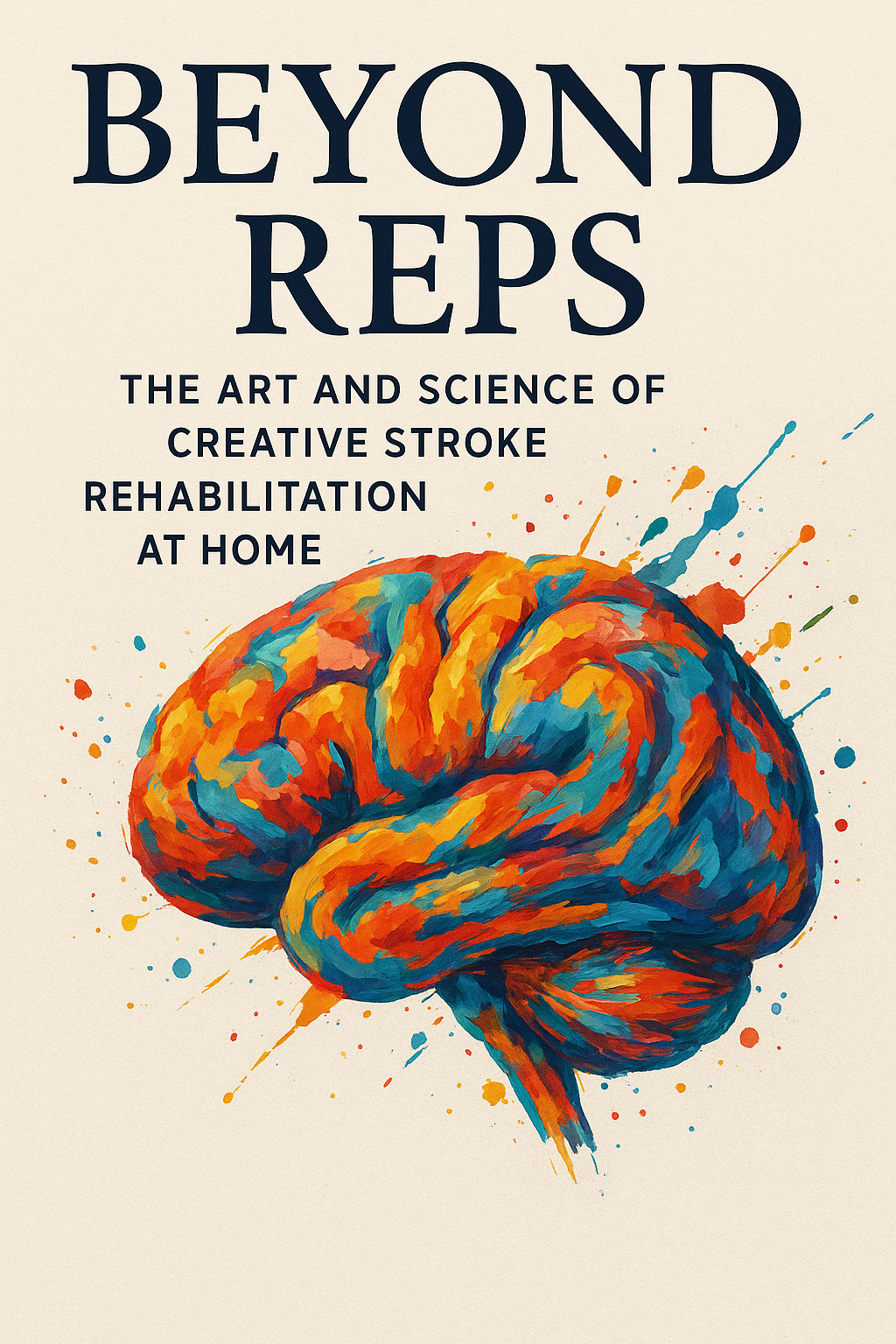
  • Beyond Reps -The Art and Science of Creative Stroke Rehabilitation at Home

    Beyond Reps -The Art and Science of Creative Stroke Rehabilitation at Home

    The first time I tried to help my uncle recover from a stroke, I honestly didn’t have a clue what I was doing. Chairs turned into gym equipment, his old cane was suddenly our best tool, and we celebrated the tiniest hand lift as if it were a Super Bowl touchdown. No one warns you just how creative—and persistent—stroke rehabilitation at home needs to be. Between expert advice and real-life improvisation, there’s a world of learning, trial, and, yes, frustration. If you or someone you love is navigating this path, let’s explore not just the exercises, but the mindset and practical tactics that make daily recovery doable (and even a little fun).

    1. Turning Ordinary Into Extraordinary: Everyday Items as Exercise Tools

    When it comes to stroke rehabilitation exercises at home, you don’t need a fancy gym when the living room is your rehab center. In fact, research shows that home-adapted exercise programs using common household items for stroke exercises can boost motivation and consistency—key ingredients for successful recovery. With over 13 million new strokes globally each year, and 1 in 4 adults likely to experience a stroke in their lifetime, making rehab accessible is more important than ever.

    Chairs: The Unsung Hero of Physical Therapy After Stroke

    A sturdy chair is one of the most versatile tools for physical therapy after stroke. It provides stable support for standing exercises, balance routines, and upper limb movements. For example, sitting upright at the edge of a chair helps with posture and core engagement. You can also use the back of the chair for support during standing leg lifts or gentle squats. The key is to choose a chair without wheels and with a firm seat to ensure safety.

    Tables and Desks: Everyday Surfaces, Everyday Progress

    A table or desk can double as a platform for arm slides, reaching tasks, and fine motor practice. Sliding your hand or a towel across the table encourages shoulder movement and coordination. For those with limited grip, a piece of fabric—like a scarf or small towel—can be looped around the hand to help guide the affected arm. This simple adaptation bridges the gap when grip strength is a challenge.

    Cane, Stick, or Broom: Extending Your Reach

    If you have a cane or even a long stick, you can use it for guided arm movements. Hold the cane with both hands—your stronger hand helps move the affected arm. For example, gently lift the cane overhead or forward, only going as far as comfort allows. If gripping is difficult, wrap a towel or piece of fabric around the handle for extra support. Creativity is a must when formal equipment isn’t around.

    Elastic Bands, Pantyhose, and Resistance

    Elastic bands are a staple in many therapy routines, but old pantyhose or stretchy fabric can work in a pinch. These provide gentle resistance for strengthening exercises, such as pulling with both hands or stretching around the knees for leg work. Resistance training with household items can be surprisingly effective and keeps routines interesting.

    Hard Pillow, Towel, and Mats: Comfort and Challenge

    A hard pillow or rolled towel can be used for gripping, squeezing, or supporting limbs during exercises. Lying on a carpet or mat adds comfort and safety for floor-based activities. These items are easy to find and adapt as needed, making them perfect for daily use.

    • Chairs double as stable support for standing and upper limb routines.
    • Household fabric (scarves or towels) bridges gaps when grip fails.
    • Elastic bands or old pantyhose offer resistance-training options.
    • Table edges and water bottles can serve as light weights or guides.

    ‘You don’t need a fancy gym when the living room is your rehab center.’

    Motivational stories can help keep routines interesting—like using a favorite childhood blanket for hand exercises. Remember, improvisation with common household items for stroke exercises isn’t just practical, it’s powerful. Each day, as you practice and adapt, you’ll find new ways to turn the ordinary into the extraordinary on your journey to recovery.


    2. Why Every Repetition Counts: Neuroplasticity, Consistency, and Patience

    After a stroke, your brain enters a unique period of healing and adaptation. This is called neuroplasticity—the brain’s ability to reorganize itself, form new connections, and recover lost function. Neuroplasticity exercises after stroke are the foundation of meaningful recovery, and every repetition you do at home matters more than you might think.

    The First Two Years: Your Brain’s Window of Opportunity

    Research shows that the first two years after a stroke are when your brain’s ability to rewire itself is at its highest. During this time, neuroplasticity and stroke recovery exercises can lead to faster and more noticeable improvements. But even if you’re past that window, don’t lose hope. The brain can still change and grow, just at a slower pace. Consistent effort is always worthwhile.

    Mental Practice in Stroke Recovery: Visualize, Then Move

    Before you start any movement, take a moment to mentally rehearse the task. Imagine each step in your mind—see your arm, hand, or leg moving through the exercise. This mental practice in stroke recovery primes your brain, making it easier to form new neural pathways. You’re not just working your muscles; you’re training your brain to remember and relearn each movement.

    • Tip: Close your eyes and visualize the movement before you begin. Then, as you exercise, keep your eyes on the affected limb. This visual focus sends powerful signals to your brain, strengthening the new connections you’re building.

    Consistency: The Power of Daily Repetition

    Progress comes from doing a little more each day. Even if you start with just four repetitions, aim for five the next day. These gradual increases add up over time. Experts recommend aiming for 20 repetitions per exercise, but always scale to your comfort and ability. The ideal daily exercise routine after stroke is one hour per day, seven days a week. If that feels overwhelming, start small and build up—what matters most is doing something every day.

    ‘Movement is the best thing to boost your recovery, your confidence, and your well-being.’

    Tracking Progress: Small Steps, Big Changes

    Routine can feel repetitive, but tiny improvements matter. Keep a notebook to track your exercises and repetitions. Seeing your progress, even if it’s just one extra repetition, can boost your motivation and help you stay consistent. Over weeks and months, these small steps lead to real, lasting change.

    Task-Specific Training: Make It Meaningful

    Whenever possible, choose exercises that mimic real-life tasks—like reaching for a cup or buttoning a shirt. Task-specific training is more effective than random movements because it helps your brain connect the exercise to everyday activities. This approach makes neuroplasticity exercises after stroke more engaging and practical.

    • Start slow and set realistic goals.
    • Combine mental visualization with physical action.
    • Focus on quality, not just quantity.

    Remember, every repetition is a message to your brain: “I want to move again.” With patience, consistency, and the right mindset, each rep brings you closer to recovery.


    3. Shoulder Pain and Setbacks: Managing Discomfort with a Mindful Twist

    Shoulder pain is one of the most common challenges after a stroke, especially for those with arm paralysis. In fact, research shows that about 80% of individuals with paralysis post-stroke report shoulder pain. This discomfort can be discouraging, but understanding its causes and learning mindful pain management strategies can make a big difference in your recovery journey.

    Why Does Shoulder Pain Happen Post-Stroke?

    There are several reasons why shoulder pain develops after a stroke.

    Shoulder pain is usually caused by a weakness in the muscles around the shoulder.

    When these muscles are weak, the shoulder joint can become unstable, leading to issues like:


    • Shoulder subluxation (partial dislocation)
    • Muscle rigidity (spasticity)
    • Frozen shoulder (limited movement due to immobility)
    • Repeated trauma from improper movement or handling

    These problems often result from immobility or overuse of the affected arm. It’s important to recognize that overexertion can actually worsen symptoms. If you feel pain during any movement or exercise, it’s a clear sign from your body to pause and reassess.

    Shoulder Pain Management Post-Stroke: Listen to Your Body

    When it comes to Post-Stroke Shoulder Pain Exercises, the golden rule is simple: Exercises should never cross the threshold into pain. If you notice discomfort, stop immediately. Pain is not a sign of progress—it’s a signal to slow down or modify your approach. Each person’s recovery is unique, and what works for one may not work for another. That’s why it’s essential to:

    • Consult your physical or occupational therapist regularly
    • Adjust your exercise routine based on daily comfort levels
    • Seek professional advice for any new or worsening pain

    Mixing Movement and Mindfulness

    Targeted exercises can help reduce pain and improve upper limb function, but tailored pacing is critical. On good days, you might focus on:

    • Strengthening exercises to support weak muscles
    • Gentle weight-bearing activities to improve stability
    • Stretching to maintain flexibility and prevent stiffness

    However, on tough days when pain or fatigue is high, it’s okay to prioritize relaxation. Pain management strategies after stroke include:

    • Simple stretching and gentle range-of-motion exercises
    • Stress reduction techniques, such as deep breathing or guided imagery
    • Short rest breaks between activities
    When to Seek Help

    If you experience persistent or severe shoulder pain, always reach out to your rehabilitation physician or therapist. They can provide specific advice tailored to your needs and ensure you’re on the right track. Remember, these tips are for educational purposes only. For emergencies, seek immediate medical attention.

    Managing post-stroke shoulder pain is a balance between movement and mindfulness. By listening to your body and integrating relaxation techniques, you can support your recovery and reduce setbacks along the way.


    4. The Motivation Mojo: Tracking Small Wins and Celebrating Progress

    When it comes to Task-Specific Training for Stroke Rehabilitation, I’ve learned that motivation is just as important as the exercises themselves. In the early days after my stroke, it was easy to feel overwhelmed. Progress felt slow, and sometimes I wondered if my efforts were making any difference. But I discovered that the secret to staying motivated is to focus on the small wins—those tiny steps forward that add up over time.

    One of the best pieces of advice I received was:

    ‘Keep a notebook and take notes of your progress.’

    Each day, I jot down how many repetitions I can do for each exercise. For example, if I managed five repetitions of lifting a mug yesterday and today I did six, that’s a win worth celebrating. These daily notes help me spot tiny triumphs—even one more rep deserves a high-five. Tracking my progress this way builds hope and shows me that no progress is too small to celebrate.


    Research shows that goal-oriented and task-specific exercises yield better functional outcomes after a stroke. That’s why I focus on exercises that mimic real-life tasks—like folding laundry, buttoning a shirt, or pouring a glass of water. These movements are meaningful, and my brain registers them more effectively. Each time I improve at a task that connects to my daily life, my confidence grows. This approach turns my Daily Exercise Routine After Stroke into something practical and rewarding.

    Of course, motivation can dip, especially after a tough day. On days when progress feels slow, I look at my wall of sticky notes filled with daily goals and achievements. It’s a visual reminder that I am moving forward, even if the steps are small. Sometimes, I enlist cheerleaders—family, friends, or even my dog. Their encouragement and positive attention fuel my motivation and make the journey less lonely.

    Celebrating incremental achievements is not just about feeling good; it supports sustained effort and morale. Whether it’s a fist bump from a loved one or a quiet moment of pride, these celebrations keep me going. They remind me that stroke recovery is a marathon, not a sprint, and every bit of progress counts.

    In the end, the art and science of Stroke Recovery Techniques at home come down to this: start where you are, do a little more each day, and track your journey. No matter how small the improvement, it deserves recognition. By connecting exercises to daily living, keeping detailed notes, and celebrating every win, I’ve found my motivation mojo—and you can find yours, too.

    Stroke rehabilitation is about more than just reps; it’s about building hope, one small victory at a time

  • Hope on the Horizon- What No One Tells You About Life After Stroke

    Hope on the Horizon- What No One Tells You About Life After Stroke

    I’ll never forget the look on my uncle’s face the day he came home from the hospital—relieved, sure, but also brimming with questions about what came next. Popular wisdom tells you that recovery after a stroke is a straight shot or, worse, that you only get one year to see improvements. Turns out, that’s just the beginning of the real story. This post is for everyone who finds themselves in that confused place—caught between relief and the daunting prospect of figuring out what life after stroke actually means. I want to share the pitfalls, triumphs, and surprises you won’t read about on a pamphlet, fueled by personal stories and hard-won lessons from experts, survivors, and (occasionally) my own family’s kitchen table debates.

    Life After Stroke: Far from a Straight Line

    When it comes to life after stroke, the recovery journey is anything but predictable. The first few weeks can feel less like following a roadmap and more like searching for treasure with half the clues missing. Every stroke survivor faces a unique set of challenges, and even those with the same medical diagnosis can experience very different stroke symptoms and outcomes.

    Recovery Isn’t Linear: Expect Twists and Turns

    One of the first things I learned is that stroke recovery doesn’t follow a straight path. You might hear that most progress happens in the first six months to a year, and while it’s true that recovery is often fastest during this window, meaningful improvements can—and do—happen years later. The idea that recovery stops after one year is a myth. I’ve seen, both in studies and personal stories, that gains can continue well beyond that first year, even if they come more slowly.

    No Two Survivors Are Alike

    There’s no “one size fits all” when it comes to stroke effects. For example, up to 80% of survivors will experience one-sided weakness or paralysis, but the degree and impact can vary widely. Some people recover almost completely (about 10%), while others face minor (25%) or moderate-to-severe impairments (40%) that require special care. Around 10% need long-term care, and sadly, 15% of patients die shortly after their stroke. These numbers highlight just how different each stroke recovery journey can be.

    Physical Symptoms: The Visible and the Hidden

    • One-sided weakness or paralysis: This is one of the most common effects, making everyday tasks challenging.
    • Spasticity: Increased muscle tone, especially during quick movements, can make limbs stiff or difficult to control.
    • Shoulder subluxation: A partial dislocation of the shoulder joint is fairly common and can be painful.
    • Neuro fatigue: Unlike regular tiredness, this can feel like your limbs are weighed down by concrete.
    • Balance and coordination issues: Trouble picking up your foot or staying steady can make walking unsafe.
    • Speech and communication problems: Difficulty getting words out, understanding others, or both.
    • Sensory changes: Some survivors become overly sensitive to lights, sounds, or touch, while others lose sensation.
    • Chronic pain: This can be due to joint issues or nerve-related sensations like pins and needles.

    The Overlooked Side: Emotional and Cognitive Changes

    Physical symptoms are only part of the story. Emotional and cognitive changes are just as real, and often just as challenging. Many survivors experience issues with memory, planning, or organizing their thoughts. Emotional and personality changes are also common, and about 25-30% of survivors deal with anxiety or depression. As one survivor put it:

    Having a stroke is extremely traumatic and mental health changes is a normal response to that.

    It’s important to know that these mental health challenges are not a sign of failure. They are a normal response to trauma, and you are not alone in facing them.

    Lingering Effects and Recovery Expectations

    Even years after a stroke, many people continue to deal with lingering issues like spasticity, balance problems, or speech difficulties. While some may return to their pre-stroke selves, the majority of stroke survivors will have some ongoing effects. But the journey doesn’t end after a year—progress is possible at any stage, and every step forward counts.


    “Use It or Lose It”: Why Neuroplasticity (and Good Habits) Are Your Secret Weapon

    When it comes to stroke recovery, the phrase “use it or lose it” is more than just a saying—it’s a guiding principle rooted in the science of neuroplasticity. If you’re unfamiliar with the term, here’s what you need to know:

    Neuroplasticity is essentially our brain’s ability to adapt, reorganize, and make new connections and this is especially important after a brain injury like a stroke.

    This remarkable ability is the foundation for all real progress in stroke rehabilitation services, and it remains your secret weapon long after the initial phase of recovery.


    Brain Rewiring: The Science Behind Real Recovery

    Forget the idea that recovery stops after a certain number of months. Brain rewiring isn’t science fiction—it’s the principle that makes real recovery possible, even years after a stroke. When a stroke damages part of the brain, the functions controlled by those cells can go offline. Through neuroplasticity, the brain can form new pathways, allowing you to regain lost skills and abilities. This is why starting rehabilitation as soon as possible, and sticking with it, is so important.

    Neuroplasticity Principles: Repetition, Relevance, and Variety

    One of the most important neuroplasticity principles is repetition. It often takes hundreds or even thousands of repetitions for the brain to “learn” a new skill. This is why daily home exercise routines and motor-skill exercises are so valuable. Whether you’re practicing buttoning your shirt, walking across the room, or using mental imagery to visualize movement, every attempt counts. The more you practice, the stronger those new connections become.

    But it’s not just about doing the same thing over and over. Your brain also prioritizes activities that are meaningful to you. Focus on tasks that matter in your daily life—this could be making a cup of tea, writing, or playing with your grandchild. Mixing up your mobility training and trying new activities each week helps prevent plateaus and keeps your recovery fresh. This approach accelerates adaptation and makes your progress more sustainable.

    Practical Recovery Tips: Avoiding Common Pitfalls

    • Avoid “Learned Nonuse”: It’s tempting to rely on your stronger side, especially if you have one-sided weakness. But if you stop using your affected arm or leg, you risk losing more function. Even if movement is limited, try to involve the affected side in daily tasks or use mental practice—imagining the movement in your mind. Research shows this can help activate the same brain pathways.
    • Don’t Compare Your Progress: Every stroke survivor’s journey is unique. Comparing your recovery to someone else’s can set unrealistic expectations and hurt your motivation. Focus on your own goals and celebrate small wins.
    • Keep Your Routine Fresh: Doing the same exercises week after week can lead to plateaus. Switch up your home exercise routines and try new motor-skill exercises regularly. This keeps your brain engaged and supports ongoing progress.

    In summary, harnessing neuroplasticity through repetition, meaningful activity, and variety is key to making gains in stroke rehabilitation. Use what you have, keep practicing, and don’t be afraid to try new things—your brain is always ready to adapt.


    The Hidden Heart of Recovery: Support Systems, Prevention, and The Mental Game

    After a stroke, life can feel like it’s been turned upside down. The truth is, no one recovers in isolation. Support resources—family, friends, survivor networks, and professional help—are the hidden heart of recovery. On the hardest days, when setbacks feel overwhelming, it’s these connections that keep us moving forward.

    Emotional Support: No One Recovers Alone

    Having a stroke is an extremely traumatic event. The emotional toll can be just as heavy as the physical one. I’ve learned that having support from loved ones is invaluable. Whether it’s someone driving you to medical appointments, helping with groceries, or just being there to listen, these acts of kindness make a real difference. Community and survivor networks offer a space to share experiences and advice, reminding us that we’re not alone in this journey. Access to support resources—including professional and community networks—boosts resilience and recovery rates.

    Secondary Stroke Prevention: More Than Just Medication

    One of the biggest fears after a stroke is having another one. The risk of a second stroke within one year is between 5–14%, making prevention a top priority. But stroke prevention isn’t just about taking pills. It’s about a complete lifestyle overhaul:

    • Taking all prescribed medications and following up with your doctor regularly
    • Improving sleep quality and quantity
    • Eating nutritious foods most of the time
    • Getting enough physical activity each week
    • Quitting smoking—there’s no way around it
    • Limiting alcohol or cutting it out altogether

    As I remind myself and others:

    Doing what you can to take care of yourself to prevent a second stroke is extremely important.

    Regular lifestyle checks and honest conversations with healthcare providers are essential for secondary stroke prevention and overall well-being.


    Daily Routines and Home Rehab: Small Steps, Big Impact

    Traditional therapy might only be an hour or two each week, but real progress comes from what happens at home. Structured home exercise routines—done daily or weekly—are crucial. But recovery is also about relearning everyday activities: turning on light switches, opening doors, brushing teeth, getting dressed. These small victories add up and help restore independence.

    The Mental Game: Managing Depression and Anxiety

    Managing depression and anxiety is as critical as any physical therapy session. Anxiety about having another stroke is common, and depression can quietly slow down recovery. If you’re struggling, don’t ignore it. Talk to your doctor about counseling or medication. Integrated psychological support is crucial: untreated mental health issues can impede progress and make every step harder.

    • Check in with yourself regularly about your mood and mental health
    • Don’t hesitate to ask for professional help—counselors and support groups can make a huge difference
    • Remember, emotional support is just as important as physical support

    Making peace with mental health struggles and seeking help is not a sign of weakness—it’s a vital part of recovery.


    Wild Card: Lessons You Won’t Find in the Pamphlet

    There’s a lot about the stroke recovery journey that no pamphlet or discharge summary can prepare you for. I learned this firsthand, and from others who have walked the same unpredictable path. One story that sticks with me is of a woman who swore that relearning to knit did more for her spirit than any piece of hospital equipment. She told me, “It wasn’t just about moving my fingers—it was about reclaiming a piece of myself.” That’s the kind of lesson you won’t find in a clinical handout, but it’s at the heart of meaningful recovery.

    Life after stroke isn’t about returning to the old normal. It’s about discovering a ‘new possible’—sometimes with humor, sometimes with stubbornness, and sometimes with a little rebellion. Recovery might not look the way you expect. For some, it’s walking unaided again; for others, it’s finding joy in a single, perfect cup of coffee. I’ve met survivors who celebrate brushing their teeth with their non-dominant hand, or who turn the daily challenge of buttoning a shirt into a victory lap. These daily life activities aren’t just chores—they’re milestones, each one a testament to resilience and adaptation.

    One thing I wish everyone understood is that stroke recovery is not a straight line. As I often remind friends and family,

    “Stroke recovery is also a marathon not a Sprint and this is helpful to understand when people around you ask oh you had a stroke aren’t you better yet.”

    The brain heals in its own time, and every stroke survivor’s journey is unique. There’s no set timeline, and no universal definition of ‘better.’ If someone asks, “Aren’t you better yet?”—I gently remind them that I am still recovering, and that’s okay.


    Rehabilitation exercises matter, but so do the small, everyday actions that fill our lives with meaning. Turning on a light switch, opening a door, or getting dressed—these daily life activities are as much a part of practical recovery tips as any formal therapy. In fact, weaving these tasks into your routine can help rebuild confidence and skill. If buttoning a shirt is tough, don’t avoid it—try it, even if it takes longer. Every small success fuels motivation and forward momentum.

    What no one tells you is that joy and autonomy are just as important as regaining physical abilities. Sometimes, the greatest triumph is not measured in steps or words, but in laughter, stubborn persistence, or the quiet satisfaction of doing something you love again. Life after stroke is about embracing each new day, celebrating tiny milestones (even if no one else notices), and finding hope on the horizon—even when the path ahead is uncertain.

    So if you’re on this journey, or walking alongside someone who is, remember: every stroke, every survivor, and every recovery is different. The real lessons aren’t in the pamphlet—they’re in the moments of courage, creativity, and connection that make up daily life. And that’s something worth celebrating.

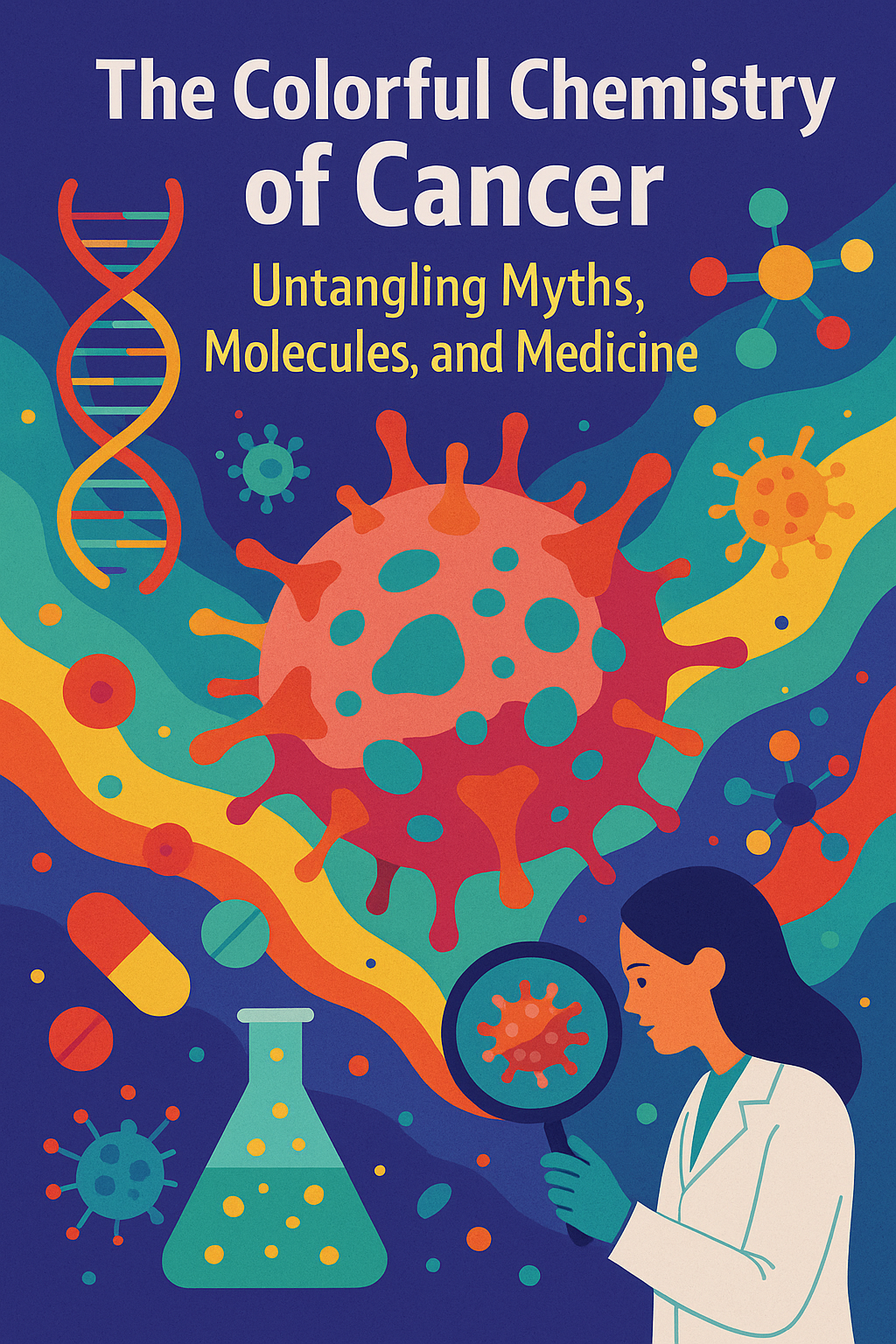
  • The Colorful Chemistry of Cancer- Untangling Myths, Molecules, and Medicine

    The Colorful Chemistry of Cancer- Untangling Myths, Molecules, and Medicine

    Have you ever tried to fix an old clock, only to end up tangling its gears instead? That’s how I felt when my friend started chemotherapy: so many moving parts, each more complex than the last. If you’ve ever wondered why chemotherapy sounds both miraculous and terrifying—or why its side effects seem so unpredictable—you’re in good company. Today, I’m rolling up my sleeves to untangle the molecular clockwork of cancer treatment, one tiny cog at a time.

    When Science Gets Personal: How Cancer Treatment Feels (And Works)

    When I first learned about cancer treatment, I was overwhelmed by the sheer complexity of it all. The science behind anti-cancer therapies is both confusing and awe-inspiring. There are four main types of cancer treatment: surgeryradiation therapychemotherapy, and biologic therapy. Each approach has its own strengths, and sometimes, its own risks.

    The Four Pillars of Cancer Therapy

    • Surgery: Physically removes tumors from the body.
    • Radiation Therapy: Uses high-energy rays to destroy cancer cells.
    • Chemotherapy: Relies on drugs to kill rapidly dividing cells.
    • Biologic Therapy: Harnesses the immune system or targets specific molecules in cancer cells.

    The goal of every cancer treatment is simple: eradicate the cancer. But the reality is much more complicated. As I quickly learned, every cancer treatment has the potential to cause harm. Sometimes, treatments produce toxicity with little or no benefit. This is a hard truth for patients and doctors alike.

    Why Chemotherapy Stands Out

    Chemotherapy is unique among anti-cancer therapies because it works at different stages of the cell cycle. Some drugs target DNA, others disrupt the cell’s internal machinery. This versatility is powerful, but it also means chemotherapy can disrupt healthy rhythms in the body. The side effects of chemotherapy are unpredictable and can be severe.

    The Roller Coaster of Side Effects

    Doctors try to tame the roller coaster of side effects, but it’s not always possible. Common side effects of chemotherapy include:

    • Myelosuppression (suppressed bone marrow function)
    • Organ damage (heart, liver, kidneys)
    • Fatigue, nausea, and hair loss

    Despite advances in precision medicine, traditional treatments like chemotherapy remain essential. However, they face challenges: toxicity, resistance, and sometimes limited efficacy. Even with modern techniques, minimal residual disease can persist, and the search for safer, more effective agents continues.

    “Every cancer treatment has the potential to cause harm and treatment may be given that produces toxicity with really no benefit.”

    For me, the science of cancer treatment is not just about molecules and medicine—it’s about navigating uncertainty, hope, and the very real impact of side effects. The journey is as personal as it is scientific.


    Cell Cycles and Drug Targets: Why Timing Is Everything

    To understand how chemotherapy works, we first need to look at the cell cycle—the life story of a cell. The cell cycle has four main phases: G1 (growth and organelle duplication), S (DNA replication), G2 (preparation for division), and M (mitosis, where the cell splits into two). Each phase is separated by cell cycle checkpoints, which act like traffic lights, making sure everything is in order before the cell moves forward.

    “These checkpoints include the g1 checkpoint, the g2 checkpoint and the M phase checkpoint. One thing these checkpoints look at is whether there are abnormalities, damage, or mutations to the DNA.”

    Think of these checkpoints as the “Save” button in a Word document. I once lost hours of work by not saving at the right moment—something cells try to avoid. If a cell detects DNA damage at a checkpoint, it stops and tries to fix the problem. But cancer cells often cheat, slipping past these safeguards and dividing uncontrollably.

    How Chemotherapy Agents Target the Cycle

    Chemotherapy drugs are designed to strike when cancer cells are most vulnerable. Each class of drug picks its moment:

    • Alkylating agents (like cyclophosphamide) attack DNA at any phase, cross-linking strands and making replication impossible.
    • Antimetabolites (such as methotrexate) target the S phase, blocking the building blocks of DNA during replication.
    • Topoisomerase inhibitors (like doxorubicin) interfere with enzymes that untangle DNA during replication and mitosis.
    • Taxanes and vinca alkaloids (anti-microtubule agents) disrupt the M phase, stopping cells from dividing by wrecking the microtubule “rails” that separate chromosomes.

    Each of these agents disrupts a specific process:

    • DNA cross-linking (alkylating agents)
    • Halting metabolism (antimetabolites)
    • Blocking enzymes (topoisomerase inhibitors)
    • Wrecking microtubules (taxanes and vinca alkaloids)

    Because cancer cells often ignore cell cycle checkpoints, they become especially vulnerable to drugs that target these phases. However, healthy cells can also be caught in the crossfire, which is why researchers are working hard to develop treatments that are more precise and less toxic. Understanding the cell cycle at the molecular level is helping scientists design new agents that attack cancer at just the right moment.


    Strange Allies and Unruly Guests: How Chemotherapy Drugs Behave

    Alkylating Agents: DNA ‘Superglue’ in Action

    Some of the oldest and most widely used chemotherapy drugs are alkylating agents. These compounds act like a kind of chemical superglue, binding to DNA and forming cross-links between its strands. This “locking” action stops cancer cells from making copies of themselves. As one source puts it:

    Examples of drugs in the class of alkylating agents include nitrogen mustards such as cyclophosphamide and there’s also cisplatin… one of the most active anti-cancer drugs.

    By cross-linking DNA, alkylating agents like cyclophosphamide and cisplatin halt the cell cycle, often in the G1 or S phase, forcing the cell to either repair itself or die. Cisplatin is especially potent, but it’s also notorious for its side effects of chemotherapy, such as kidney and nerve damage.

    Antimetabolites: Chemical Saboteurs

    Antimetabolites are master impersonators. They sneak into the cell’s DNA and RNA production lines, pretending to be normal building blocks. Drugs like methotrexate and 5-fluorouracil block key enzymes needed for making DNA, especially the synthesis of thymine. In fact, methotrexate’s journey is a story of serendipity:

    Methotrexate… works by inhibiting dihydrofolate reductase. Used in cancer, rheumatoid arthritis, and as an ectopic pregnancy drug.

    By disrupting DNA and RNA metabolism, antimetabolites prevent cancer cells from copying themselves, leading to cell death.

    Topoisomerase Inhibitors: Breaking and Forgetting to Mend

    Imagine DNA as a twisted spiral staircase. Topoisomerase inhibitors break the staircase to untangle it during replication, but then forget to fix it. Drugs like etoposide and anthracyclines (such as doxorubicin) block the enzymes that unwind and repair DNA, causing replication to stall and cells to die.

    Taxanes and Vinca Alkaloids: Sabotaging the Cell’s Railway

    During cell division, microtubules act like railways, pulling chromosomes apart. Taxanes (e.g., paclitaxel) stabilize these tracks, while vinca alkaloids (e.g., vincristine) prevent them from forming. Both approaches derail cell division, causing cancer cells to arrest and eventually die.

    Unruly Guests: Why Side Effects of Chemotherapy Happen

    While these drugs target rapidly dividing cancer cells, they can also affect healthy cells that divide quickly, like those in hair follicles, the gut, and bone marrow. This explains many side effects of chemotherapy, from hair loss to immune suppression. Not all cells are harmed equally, but the collateral damage is a reminder of the unruly guests that come with these strange chemical allies.


    Wild Card: The Chemotherapy Paradox (Or, Why It’s Not Just Cancer That’s Targeted)

    When I think about chemotherapy, I’m reminded of the time I accidentally confused weed killer with plant food in my garden. I wanted to target the weeds, but my favorite flowers suffered too. Chemotherapy works in a similar way: it’s designed to attack cancer, but it often hits healthy cells as well. This is the heart of the chemotherapy paradox—and it all comes down to how cancer cells dodge the usual rules of DNA repair and cell division.

    How Cancer Outsmarts DNA Repair

    Our cells have a built-in system for checking and fixing DNA. During the cell cycle, especially in the S phase, DNA is copied with help from enzymes like helicase and DNA polymerase. Normally, if something goes wrong, the cell can pause, repair the damage, or—if things are too far gone—self-destruct in a process called apoptosis. As one researcher put it:

    “The cell will then either be repaired so it can proceed or… undergo apoptosis—basically dying.”

    Cancer cells, however, are notorious for bypassing these safety checks. They keep dividing even when their DNA is damaged or mutated. This is where chemotherapy comes in, trying to exploit these weaknesses.

    Why Chemotherapy Isn’t a Heat-Seeking Missile

    Imagine if chemotherapy drugs could act like heat-seeking missiles, only targeting the “bad” cancer cells. That’s the dream, but here’s the reality: most chemotherapy drugs, like alkylating agents, target rapidly dividing cells by interfering with DNA replication. They bind to nucleotides (especially guanine), cross-link DNA strands, and prevent cells from dividing. Unfortunately, healthy cells that also divide quickly—like those in our hair, gut, and bone marrow—get caught in the crossfire. This leads to the well-known side effects of chemotherapy.

    Drug Resistance and the Messy Middle

    Another challenge is drug resistance. Cancer cells can adapt, finding new ways to repair their DNA or pump out the drugs, making treatment less effective over time. Even with newer, more targeted therapies, resistance and toxicity remain major hurdles.

    For now, chemotherapy is a bit like using a broad-spectrum weed killer: it works, but it’s not perfect. Future strategies may one day allow us to program drugs to seek out only cancer cells, sparing healthy tissue and minimizing side effects. Until then, the paradox remains—chemotherapy is both clever and messy, a wild card in the colorful chemistry of cancer.


    Conclusion – Rethinking the Chemistry of Healing

    As we reach the end of this exploration into the colorful chemistry of cancer, I hope you have gained a new perspective on chemotherapy and anti-cancer therapies. Understanding the cell cycle and the unique mechanisms of each drug truly transforms how we see chemotherapy—not as a blunt sledgehammer, but as an evolving toolkit. Each agent is carefully designed to disrupt cancer’s relentless growth, and our knowledge of these processes is what makes modern treatment both powerful and precise.


    “Chemotherapy is a bit like an eccentric orchestra: each drug has its own rhythm, targeting cancer at different points in the cell cycle.”


    This analogy captures the heart of why a nuanced grasp of chemotherapy matters. When we recognize that every drug works differently—sometimes in harmony, sometimes in contrast—we can better appreciate both the remarkable successes and the uncomfortable side effects of chemotherapy. This understanding is not just for scientists and doctors. Patients, families, and anyone touched by cancer can benefit from knowing how these medicines work, and why side effects of chemotherapy happen. It helps us all navigate the promises and pitfalls with more confidence and compassion.

    Today’s cancer care is a blend of cutting-edge innovation and deep respect for foundational science. While surgery and radiation remain essential, chemotherapy continues to evolve, joined by targeted therapies and immunotherapies. The future is moving toward more integrated, multimodal approaches—treatments that are not only more effective, but also more personal and precise. Yet, even as new therapies arise, it’s important to remain humble and curious about the quirks of each old drug. They remind us that progress is built on both discovery and reflection.

    Ultimately, rethinking the chemistry of healing means advocating for smarter, more targeted anti-cancer therapies, and never losing sight of the human experience. The side effects of chemotherapy are real and deserve attention, but so does the hope that comes from ongoing research and compassionate care. Staying curious—whether as a patient, professional, or passionate observer—helps us all do better. Thank you for joining me on this journey, and let’s keep pushing for a future where cancer treatment is as colorful and complex as the chemistry that drives it.

  • A Closer Look Inside the Modern Glioblastoma Surgery- Stories from the Operating Room

    A Closer Look Inside the Modern Glioblastoma Surgery- Stories from the Operating Room

    Let me start with a confession: the first time I ever saw a surgical microscope, I got vertigo. There’s nothing remotely ordinary about brain surgery, and when I first stepped into an operating room where every second counts, I realized the gravity of the moment—especially so when a patient younger than myself was wheeled in with a daunting diagnosis: glioblastoma. It wasn’t just about science, it was personal, complicated, and honestly, a little terrifying. This is a peek behind the blue drapes, beyond the clinical notes—into the unpredictable world where surgery, technology, and human resilience collide.

    When Headaches Speak Louder: Recognizing the Unseen Signs

    It’s easy to dismiss a nagging headache or a bit of clumsiness as stress or lack of sleep—especially in young adults. But sometimes, these symptoms are the body’s way of speaking up about something far more serious. I remember a night shift when a patient in their early 20s arrived with a story that started just like this: weeks of headaches, a limp that friends thought was just fatigue, and a growing sense of imbalance. It wasn’t until the left-sided weakness became impossible to ignore that the real story began to unfold.

    Why a Lingering Headache and Shaky Balance Can Signal More Than Stress

    When a headache persists for weeks, especially if it’s paired with new trouble walking or weakness on one side of the body, it’s time to look deeper. In this case, the patient’s symptoms included:

    • Progressive headache lasting several weeks
    • Left-sided hemiparesis (weakness on one side)
    • Difficulty with gait and balance

    On physical exam, the patient was alert and oriented. But subtle clues—like trouble moving the left arm and leg—hinted at something affecting the brain’s motor pathways.

    Corticospinal Tract Dysfunction Symptoms: More Than Meets the Eye

    The corticospinal tract is the main highway for voluntary movement, running from the brain down the spinal cord. When this pathway is disrupted, it can cause weakness, clumsiness, and abnormal reflexes. In this patient, two classic signs stood out:

    • Hoffman Sign: Flicking the patient’s finger caused an involuntary twitch in the thumb and index finger. This is known as a positive Hoffman sign, named after German neurologist Dr. Johann Hoffman. It suggests dysfunction in the corticospinal tract, usually above the cervical spinal cord.
    • Babinski Reflex: Stroking the sole of the foot made the big toe move upward—a positive Babinski sign. As I often explain,

      ‘A positive Babinski… is named after French neurologist Joseph Babinski.’

      This reflex is a red flag for corticospinal tract disruption anywhere along its course.

    Both signs are crucial bedside clues for upper motor neuron lesions. Their presence means the problem is not just in the muscles or nerves, but higher up—often in the brain or spinal cord.

    Hoffman Babinski Reflex Significance: Why Those Odd Twitches Matter

    In the operating room, these reflexes guide us to the root of the problem. A positive Hoffman or Babinski isn’t just a curiosity—it’s a signal that the brain’s control center is under threat. For this patient, the combination of symptoms and reflexes pointed to a lesion affecting the right side of the brain, which controls the left side of the body.

    MRI Brain Tumor Diagnosis: The Critical Next Step

    When neurological signs like these appear, an MRI brain tumor diagnosis becomes the frontline tool. In this case, the scan revealed a large mass at the temporal-parietal junction—confirming what the reflexes had already hinted. For young adults, especially, MRI is essential to catch these hidden threats early and plan the next steps in care.


    Blueprints, Gadgets, and Guts: Surgical Innovation in Real Time

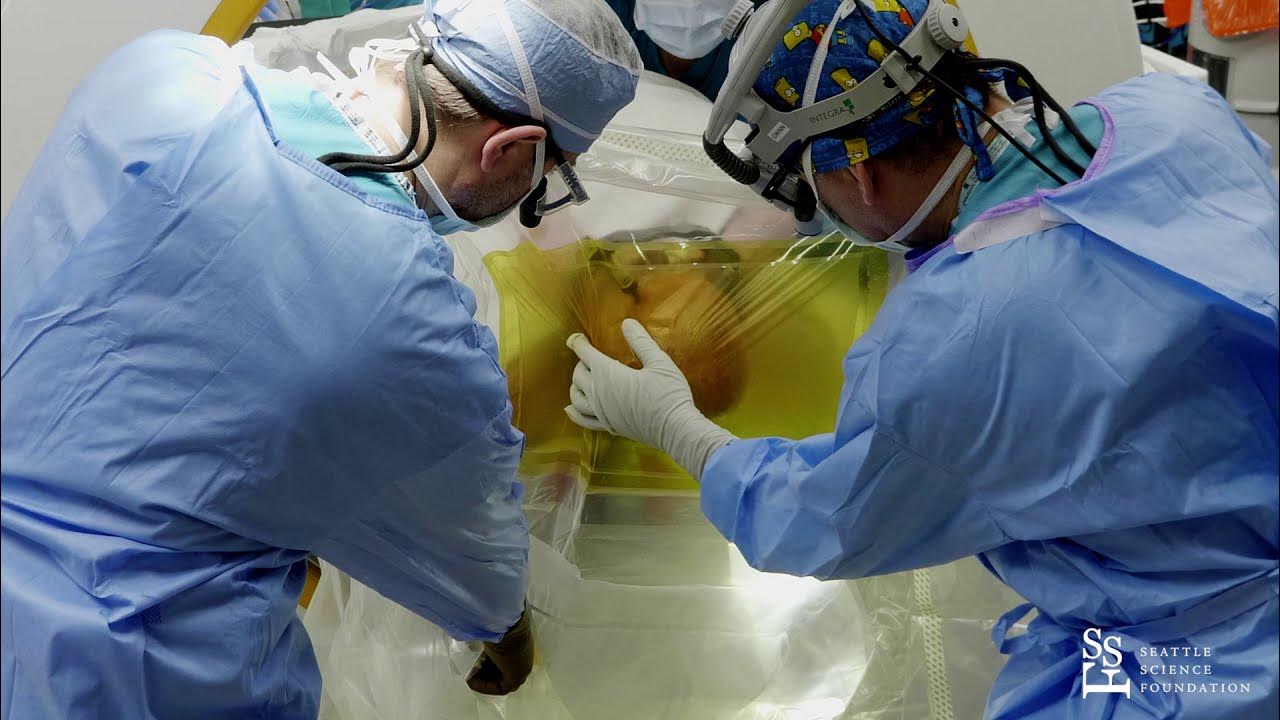
    Neurosurgery tumor resection today is a blend of careful planning, high-tech gadgets, and the willingness to adapt mid-procedure. When I step into the operating room for a glioblastoma case, it feels like entering a sci-fi lab—computer navigation neurosurgery, intraoperative brain mapping, and sodium fluorescent-guided microscopy are all part of the toolkit. But as my mentor used to say, “Everyone has a plan until we see the dura.” That’s when the real work—and the surprises—begin.

    Patient Positioning: The First Blueprint

    Patient positioning in neurosurgery is more than just comfort. For this case, the patient was placed supine, with a shoulder roll to elevate the right shoulder and the head gently turned left. This exposed the temporal parietal area, giving us the best corridor to the tumor. A single degree too far, and we risked damaging eloquent cortex—sometimes the difference between speech and silence post-op. Every angle matters.

    Computer Navigation and Intraoperative Brain Mapping

    Before the first incision, computer navigation neurosurgery helped us localize the tumor and plan a precise trajectory. We mapped the incision to bisect the tumor’s anterior and posterior poles, using advanced imaging to minimize risk to critical brain structures. Once the bone flap was elevated and the dura relaxed with hypertonic saline and mannitol, we could see the tumor clearly against normal brain tissue.

    Intraoperative brain mapping and neurophysiological monitoring are our guides. We delivered electrical stimuli to the exposed cortex, starting at 2 milliamps and increasing in increments, to identify the primary sensory cortex and avoid it during resection. This real-time feedback is essential—no static MRI can match the detail we get from the living brain.

    Surgical Techniques and the Role of Gadgets

    With the surgical corridor optimized, we used bipolar cautery and microsuction to define the border between tumor and brain. Sometimes, a low-current bipolar cutter was needed to harden the tumor capsule, making it easier to distinguish from delicate brain tissue. These surgical techniques for brain tumors are refined, but the real leap comes from our next gadget: sodium fluorescent-guided microscopy.

    Sodium Fluorescent-Guided Microscopy: Seeing the Unseen

    Here’s where science fiction meets reality. Sodium fluorescent-guided microscopy highlights tumor cells that even the best eyes might miss. After what looked like a gross total resection, I was haunted by the possibility of hidden tumor. As I scanned the surgical field, the fluorescent dye revealed a suspicious area in a blind corner—

    “Sodium fluorescent-guided microscopy showed an area in the blind corner suspicious for residual tumor.”

    —and sure enough, additional tumor was found and safely removed.


    Unexpected Lessons and Surgical Guts

    Even with all the blueprints and gadgets, surgical guts matter. Plans change with the patient’s anatomy. The real fear in neurosurgery tumor resection isn’t what you see—it’s what you might leave behind. Sodium fluorescent-guided microscopy made me more vigilant, almost paranoid, about hidden corners. It’s a reminder that in brain surgery, innovation is as much about humility as it is about technology.


    Hemming in the Bleeders: Old-School and New-School Hemostasis

    When it comes to hemostasis techniques in brain surgery, the goal is simple: keep blood loss minimal and the surgical field clear. But the methods we use are a blend of time-tested tradition and cutting-edge science. In the operating room, the invisible labor of hemostasis is what lets us close up safely—and if we do it right, most patients and readers will never even notice this crucial step.

    Why Hemostasis Matters in Brain Tumor Surgery

    Bleeding in brain surgery isn’t just a nuisance—it can be life-threatening. Even a small amount of blood in the wrong place can cause pressure, swelling, or damage to delicate brain tissue. Effective surgical resection techniques depend on keeping the field dry and the patient safe. That’s why hemostasis is woven into every step of advanced surgical techniques for brain tumors.

    Old-School: Hydrogen Peroxide and Cotton Balls

    Some techniques have been around for decades, and for good reason. After removing a glioblastoma, I often reach for a time-honored tool: hydrogen peroxide solution. As the source notes:

    ‘Hydrogen peroxide solution soaked cotton balls is laid over the cavity… for both destruction of cells… and also for hemostasis.’

    Hydrogen peroxide does double duty. It helps destroy any stray tumor cells that might remain in the cavity, and it also helps stop bleeding. The fizz and gentle pressure from the soaked cotton balls help seal off tiny blood vessels. More than once, the familiar smell of peroxide in the air has told me we’re nearing the end of a long case—a full circle moment that always brings relief.

    New-School: Modern Hemostatic Agents

    But we don’t stop at peroxide. Today’s hemostasis techniques in brain surgery include a range of advanced agents. Once the cavity is dry, we often cover it with specialized hemostatic materials—powders, gels, or sponges that promote clotting and seal off any oozing vessels. These agents are designed to work quickly and safely, reducing the risk of post-operative bleeding.

    • Hydrogen peroxide: For both cell destruction and initial bleeding control
    • Hemostatic agents: Applied to the cavity for rapid, reliable hemostasis
    • Physical techniques: Gentle pressure, irrigation, and careful cautery
    Closing Up: The Final Steps

    Once we’re confident the bleeding is controlled, we move on to closure. The dura (the brain’s protective covering) is reapproximated and reinforced—a process called duroplasty. The bone flap goes back in place, and the border between the bone and the skull is sealed with a synthetic agent for a better cosmetic result. Each step relies on the success of the hemostasis that came before.

    In the end, the art of hemostasis is a quiet but essential part of every brain tumor surgery. It’s a mix of old-school wisdom and new-school innovation, all working together to give patients the safest outcome possible.


    Beyond the Surgery: Results, Surprises, and Human Realities

    There are moments in the operating room that even the most experienced surgeons never forget. For me, one of those moments came when this patient, after a long and complex glioblastoma multiforme surgery, woke up with no new neurological deficits. Watching a patient walk out of the hospital, fully intact, is a result that stuns even the most jaded among us. Yet, as we celebrated this immediate post-operative outcome, the reality of the diagnosis set in: glioblastoma multiforme, an aggressive brain tumor with a reputation for returning, no matter how clean the initial resection appears.

    The post-operative glioblastoma outcomes in this case were as good as anyone could hope for. The patient was discharged home, neurologically intact. The first MRI after surgery showed no evidence of residual tumor. Even more encouraging, the follow-up MRI a year later was also clear. As I reviewed the scans, I found myself repeating the words:

    ‘Post-operative MRI scan of the brain immediately and approximately a year after showed no radiographic evidence of residual or recurrent tumor.’

    It’s the kind of result we all hope for, but rarely see in the world of glioblastoma multiforme surgery.


    But optimism in glioblastoma care is always balanced by caution. The pathology report told a more complicated story. The tumor was confirmed as glioblastoma multiforme, with MGMT promoter methylation—a genetic marker that can predict better response to certain chemotherapies. However, there was no IDH1 or IDH2 mutation detected, which is associated with a less favorable prognosis. These genetic details matter. They shape our conversations about long-term follow-up glioblastoma treatment and help guide future therapy options. Even after a maximal safe resection, the risk of recurrence is high, and ongoing surveillance is not just recommended—it’s essential.

    Managing tumor resection complications is always a concern, but in this case, the absence of new deficits was a testament to the precision of modern surgical techniques. Still, the human reality is that glioblastoma is relentless. We walk a fine line between the hope that comes with a clean MRI and the sobering statistics that define this disease. Every scan, every follow-up visit, is a reminder of both the progress we’ve made and the challenges that remain.

    Sometimes, I find myself wondering about the future. What if artificial intelligence could one day spot every last tumor cell, even those invisible to the human eye? Maybe then, the art and science of glioblastoma surgery would tip further in our favor. For now, though, it remains a blend of technology, skill, and a lot of follow-up. The journey doesn’t end in the operating room—it continues with each scan, each conversation, and each moment of hope.

    In the end, this patient’s story is a reminder of what’s possible, but also of the human realities we face every day. Glioblastoma multiforme surgery can deliver remarkable results, but the need for vigilance never fades. As we look to the future, we hold onto both the surprises and the hard truths, always striving for better outcomes in a field where every victory counts.

  • Outsmarting Cancer’s Fuel Supply- Real-Life Lessons in Turning Down the Metabolic Gas

    Outsmarting Cancer’s Fuel Supply- Real-Life Lessons in Turning Down the Metabolic Gas

    Let me start with an awkward confession: I once thought of cancer as a kind of unwelcome party guest—one that just refuses to leave, no matter how many hints you drop. But what if, instead of asking it to leave, you just starved it out? That’s where modern research is heading, focusing on the hidden dietary habits of cancer cells and how a little metabolic mischief can tip the odds back in our favor. Today, I’ll show you some surprising science, off-label secrets, and why your dinner plate might be waging its own silent war.

    The Real Fuel Thieves: Why Cancer’s Metabolism Breaks the Rules

    When it comes to cancer metabolism, cancer cells act like old ‘50s Cadillacs—big, flashy, and always thirsty for fuel. But instead of gasoline, their favorite fuel is glucose, or blood sugar. This odd love affair with sugar isn’t just a quirk; it’s a key part of how cancer grows and spreads.

    The Warburg Effect: Cancer’s Shortcut to Survival

    Almost a century ago, Dr. Otto Warburg made a groundbreaking discovery about how tumors get their energy. He found that cancer cells use a different, less efficient process to turn glucose into energy. This process is called glycolysis, and it happens even when there’s plenty of oxygen around. Today, we call this the Warburg effect.

    Here’s the twist: glycolysis is quick but wasteful. To keep up, cancer cells need up to 200 times more glucose than healthy cells. As Dr. Lewis Cantley of Harvard puts it:

    “If you have cancer, the sugar you’re eating may be making it grow faster.”

    This isn’t just theory. Modern research confirms that most cancers are “addicted” to glucose and insulin. They guzzle sugar at a rate that would make any classic car blush. This metabolic reprogramming is what sets cancer cells apart from healthy ones.

    Metabolic Reprogramming: Breaking the Rules

    Normal cells are like modern hybrid cars—they can switch between fuel sources as needed. If glucose runs low, they can use ketones (produced from fat) for energy. Cancer cells, on the other hand, are stuck in the past. They rely almost entirely on glucose, making them vulnerable if that supply is cut off.

    • Cancer cells: Rely on glycolysis, need massive amounts of glucose, can’t easily switch to ketones.
    • Healthy cells: Use glucose efficiently, can switch to ketones during fasting or low-carb diets.
    Real-Life Insight: My Aunt’s Low-Carb Journey

    When my aunt was diagnosed with cancer, she decided to try a strict low-carb, ketogenic diet. At first, she worried about feeling tired or weak. But after a few weeks, her energy levels actually improved. The surprising twist? Her healthy cells adapted quickly to using ketones, while her cancer cells struggled without their usual sugar fix. This personal experience echoes what many studies have shown: restricting glucose can slow tumor growth in certain cases.

    Targeting Glucose Metabolism in Cancer

    By understanding the Warburg effect and glucose metabolism in cancer, researchers have found new ways to fight tumors. Targeting glycolysis with medication or dietary changes—like the ketogenic diet—can disrupt cancer’s fuel supply. Over the past 20 years, studies have shown that ketogenic diets may have anti-cancer effects, especially for tumors that are highly dependent on glucose.

    For more information about specific components of metabolic cancer therapy, always consult with a licensed medical provider before making any changes to your treatment plan.


    Amino Acid Addiction: Cancer’s Protein Power Plays

    Glutamine—The Not-So-Innocent Bystander

    When we talk about amino acids and cancer, glutamine always seems to steal the spotlight. It’s not just another building block for proteins—glutamine is a critical fuel for many tumor types. As Dr. Thomas Seyfried puts it,

    “Glutamine utilization is the missing link in the metabolic theory of cancer.”

    In fact, glutamine is the second most utilized nutrient by cancer cells, right after glucose. Cancer cells crave glutamine because it powers their rapid growth, helps them resist cell death, and even supports their invasion into neighboring tissues.


    But what happens if cancer cells can’t get enough glutamine? Research shows that glutamine deprivation therapies can suppress tumor growth and even help overcome resistance to standard treatments. However, it’s not as simple as cutting glutamine out of your diet—our healthy cells need it, too. Instead, scientists are exploring metabolic inhibitors that specifically block cancer cells from using glutamine without harming normal tissues. This is a hot area of metabolic reprogramming research, with new therapies and clinical trials underway.

    The Science (and Controversy) Behind Limiting Amino Acids

    It might sound tempting to try and “starve” cancer by eating less protein or following extreme diets. Unfortunately, it’s not that straightforward. Our bodies rely on 20 different amino acids for normal function, and many are considered essential. Cancer cells, however, are notorious for their unregulated addiction to certain amino acids. They greedily uptake glutamine, but also arginine, asparagine, methionine, and branched-chain amino acids like leucine, isoleucine, and valine.

    • Arginine: Some cancers can’t make enough arginine and become “addicted” to external sources. Depriving these tumors of arginine can slow their growth and make them more sensitive to other therapies.
    • Asparagine & Methionine: Limiting these amino acids has shown promise in early studies, but the effects can vary depending on the cancer type.
    • Branched-Chain Amino Acids: These are also under investigation as potential metabolic targets.

    The controversy? You can’t just eat cabbage soup and hope for the best. Extreme dietary restriction can harm healthy cells and weaken the immune system. That’s why the focus is shifting to metabolic inhibitors and targeted therapies that block cancer’s access to these nutrients.

    Wild Card: Supplements and Natural Metabolic Modulators

    Imagine a world where your gym supplements or daily vitamins double as cancer blockers. It’s not as far-fetched as it sounds. Metformin, a common diabetes medication, is being studied for its ability to impair cancer cells’ use of glutamine. Green tea extract (EGCG), berberine, and canavanine are natural substances showing promise in early research for blocking amino acid utilization in cancer cells.

    • Metformin: Shown to disrupt glutamine metabolism in cancer cells.
    • EGCG (Green Tea Extract): May help prevent cancer cells from using key amino acids.
    • Berberine & Canavanine: Under investigation as natural metabolic inhibitors.

    While these supplements for cancer therapy are not yet standard care, they highlight the growing interest in using metabolic reprogramming and natural substances as adjuncts to traditional treatments. The goal is to outsmart cancer’s fuel supply—without starving the rest of the body.


    Fatty Acids: The Sneaky Backup Generator

    When it comes to cancer’s energy needs, glucose usually gets all the attention. But behind the scenes, fatty acids act as a sneaky backup generator—ready to fuel tumor growth, survival, and even resistance to treatment when sugar runs low. Recent advances in lipidomics have finally pulled back the curtain on how cancer cells treat fat like a survival stash, adjusting, hoarding, and stealing fatty acids to outwit normal cells and therapies alike.

    Why Cancer Treats Fat Like Gold

    Cancer cells are masters of adaptation. When their favorite fuel (glucose) is scarce, they flip a metabolic switch and start burning fatty acids in their mitochondria. This not only keeps them alive but also powers their aggressive spread (metastasis) and helps them resist cell death from oxidative stress. Tumor cells can even alter their internal fatty acid levels to dodge attacks from the immune system. They’re so flexible, they can both manufacture fatty acids inside the cell and scavenge them from their surroundings.

    • Fatty acid synthase inhibitors are being studied as a way to block cancer’s ability to make its own fatty acids.
    • Disrupting fatty acid intake or metabolism can make tumors more vulnerable to treatment.

    Personal Tangent: My Bulletproof Coffee Experiment

    I once jumped on the ‘bulletproof coffee’ trend—adding butter and oil to my morning brew, hoping for mental clarity. Instead, I learned a lot about fat metabolism (and that my taste buds prefer regular coffee). That experiment made me appreciate how our bodies, and cancer cells, can quickly shift to using fat for fuel when needed. It’s no wonder cancer cells exploit this backup generator to survive tough conditions.

    Current Science: Shifting the Fatty Acid Balance

    Thanks to new research, we now know that manipulating fatty acid metabolism is a promising target for precision cancer therapy. By creating imbalances in the types and amounts of fatty acids available, we can potentially trip up cancer’s survival strategies. As one expert put it:

    “Nutrition is used to attack Cancer’s vulnerabilities.”

    • Studies show that dietary interventions—like limiting foods high in omega-6 and monounsaturated fats—can slow tumor growth and reduce metastasis, especially in cancers prone to spreading to the liver.
    • Increasing omega-3 intake (from foods or supplements) has been linked to reduced cancer symptoms and slower progression.
    • High-fat, low-carb diets (like ketogenic diets), especially when personalized, may help resist tumor growth by starving cancer cells of their preferred fuels.

    Metabolic Modulators and Natural Substances

    Beyond diet, medications and natural substances are being explored as metabolic modulators. For example, berberine can block cancer cells from making or importing fatty acids, while omega-3s like EPA and DHA may create internal stress that makes tumors more sensitive to chemotherapy. Even common drugs like metformin and statins are under study for their effects on fatty acid metabolism in cancer.

    Personalized dietary interventions based on individual fatty acid profiles are showing promise for improving outcomes. By understanding and targeting the sneaky ways cancer uses fat, we’re finding new ways to turn down the metabolic gas and outsmart the disease at its own game.


    Piecing Together the Precision Medicine Puzzle

    When it comes to cancer precision medicine, there’s no such thing as a one-size-fits-all approach—especially when we talk about turning down cancer’s metabolic “gas.” Every patient’s age, sex, genetics, and unique biochemistry shape how their cancer grows, spreads, and responds to therapy. This is why dietary interventions and metabolic modulators that work wonders for one person might not have the same effect for another. The cancer battleground is as individual as our fingerprints, and precision nutrition is quickly becoming a cornerstone of modern oncology.

    Cancer cells primarily rely on three key resources to fuel their relentless growth: glucose, amino acids, and fatty acids. By targeting these metabolic pathways, researchers have uncovered a range of medications and nutrients—many of which are surprisingly inexpensive and already widely available—that can help slow tumor growth, reduce metastasis, and even boost the effectiveness of standard treatments like chemotherapy and radiation. These strategies, often called metabolic modulators, are at the heart of many clinical trials in cancer nutrition today.

    But here’s where the off-label paradox comes in. If these therapies are so promising and affordable, why aren’t they FDA-approved for cancer? The reality is that most of these medications and nutrients are off-patent, meaning there’s little financial incentive for pharmaceutical companies to fund the large, expensive trials needed for FDA approval. As a result, despite a strong scientific evidence base, most metabolic inhibitors and nutritional therapies remain “off-label” in cancer care. This means they’re not officially approved for cancer treatment, even though many oncologists and researchers recognize their potential.

    This situation highlights the importance of personalized medicine. Maximizing the benefits of off-label medications and tailored nutrition requires careful consideration of each patient’s individual context. Age, sex, underlying health conditions, and even the specific genetic makeup of a tumor can influence which metabolic therapies will be most effective. That’s why it’s essential to work closely with a licensed medical provider who understands both the science and the art of individualized cancer care.

    As we continue to outsmart cancer’s fuel supply, patient education and open dialogue with healthcare teams are more important than ever. If you’re interested in exploring metabolic modulators or off-label medications for cancer, start by gathering reliable information and discussing your options with your oncologist or a specialist in cancer precision medicine. Many ongoing clinical trials are investigating these strategies, and resources are available to help patients and families learn more about precision nutrition and individualized metabolic therapies.

    “It is imperative that you speak with a licensed medical provider prior to beginning any medical treatment.”

    The future of cancer care is moving toward personalization—where every dietary intervention, medication, and therapy is tailored to the individual. By piecing together the precision medicine puzzle, we can give patients the best chance to turn down cancer’s metabolic gas and reclaim control over their health journey.

  • How Long Do Chemotherapy Side Effects Really Last? A Personal Guide Beyond the Calendar

    How Long Do Chemotherapy Side Effects Really Last? A Personal Guide Beyond the Calendar

    Let me confess something odd right off the bat: I once grilled a friend on citrus fruit preferences because I heard lemons can make water taste less metallic during chemo. That little trick seemed trivial, but for my aunt—midway through treatment—it was a game changer. If you’re wondering how long chemo’s aftermath will last, you probably already know there’s no simple answer. In this post, I’m not just rattling off timelines and side effects; I’m sharing what it really feels like to live through the haze, the slumps, and (yes) even the strange cravings along the way.

    Section 1: The Wildcard Nature of Chemo Side Effects – Why No Two Journeys Match

    One of the first things I learned about chemotherapy is that there’s no single script for how side effects unfold. Even though chemo is designed to target rapidly dividing cancer cells, it also affects other fast-growing cells in the body—leading to a range of common side effects of chemo that can feel unpredictable and unique to each person.

    Fatigue: The Lingering Shadow

    Fatigue is the most common side effect of chemotherapy. For some, it fades quietly as treatment ends. For others, it overstays its welcome, lingering for months. Research shows that most people see their energy return within 6–12 months after finishing chemo, but about 5% experience chemotherapy fatigue that persists even longer. This tiredness isn’t just feeling sleepy—it’s a deep, bone-weary exhaustion that can make even simple tasks feel overwhelming.

    Taste Changes & Cravings: When Water Tastes Like Spoons

    Chemo can play tricks on your sense of taste. Many people notice that foods and drinks taste metallic or just “off.” I’ve heard more than one person say, “Water tastes like spoons.” Lemons, citrus candies, and odd cravings—sometimes for things you never liked before—are surprisingly common. These taste changes usually cycle with treatment and tend to improve as the body clears the drugs, but they can be persistent for some.

    The Cycle Rollercoaster: Nausea, Energy Crashes, and White Blood Cell Dips

    Chemo side effects often follow a rollercoaster pattern. Right after each treatment, symptoms like chemotherapy-induced nausea and vomiting, fatigue, and dips in white blood cell count chemotherapy can hit hard. Nausea, in particular, can be unpredictable. As one oncologist put it:

    “Nausea is sometimes worse than vomiting. That stomach awareness can be more unpleasant than just throwing up and sort of starting the day fresh.”

    These symptoms often peak in the days following chemo, then gradually improve before the next cycle. But the timing and intensity can vary wildly from person to person—and even from one cycle to the next.

    Why Tracking Matters: A Personal Note

    My aunt found it helpful to track her symptoms in a notebook. She’d jot down when the nausea was worst, how her energy changed, and any odd cravings or taste changes. At her next doctor’s visit, this record made it much easier to communicate exactly what she was experiencing. Her care team could adjust medications and offer better support because they had a clear picture of her journey.

    • Short-term side effects like fatigue, nausea, vomiting, and low white blood counts often follow a cyclical pattern with each treatment round.
    • Energy typically returns within 6–12 months, but a small group may experience ongoing fatigue.
    • Taste changes, especially a metallic flavor, are common—citrus can help.
    • Always tell your care team about all side effects, even minor ones. Your experience helps guide your care.

    Ultimately, chemo side effects don’t follow a strict calendar. They ebb and flow, sometimes fading quickly and sometimes lingering, making each journey truly individual.


    Section 2: The Hidden Long Game – Lingering Effects and the Shadows They Cast

    Chemotherapy-Induced Menopause Symptoms & Loss of Fertility

    One of the most significant long-term side effects of chemotherapy is its impact on hormones and fertility. For those with functioning ovaries, chemotherapy can trigger temporary or permanent menopause. This means periods may stop during treatment and not return for months—or sometimes, not at all. In my experience, it usually takes about a year after finishing chemotherapy before we can say with confidence whether menstrual cycles will resume. I’ve even seen cycles return as late as 14 or 15 months post-treatment. If you’re also on medications like tamoxifen, periods may come back after stopping that medication. The uncertainty can be stressful, especially for those concerned about loss of fertility after chemotherapy. If this is your situation, know that every timeline is unique, and surprises—like a sudden return of cycles—do happen, even years later.

    Peripheral Neuropathy After Chemotherapy: The Slow Road Back

    Another common long-term side effect of chemotherapy is peripheral neuropathy. This usually starts as tingling, numbness, or pain in the fingers and toes, and can move upward. The reason? Chemotherapy drugs are toxic not just to cancer cells, but also to the delicate nerves at the edges of our bodies. The good news is that nerves can regenerate, but they do so at a snail’s pace. As I often remind my patients:

    “The nerves are amazing. They regenerate very, very slowly—about 1 mm a month.”

    So, if you have 5 centimeters of numbness, you could be looking at months—or even years—before you notice improvement. Some people see gradual progress, while others experience lingering symptoms for a long time. I’ve met patients who, a decade after treatment, suddenly notice their neuropathy improving. If you’re dealing with this, don’t lose hope. There are ways to manage symptoms, and sometimes, the body surprises us with late-stage healing.

    Cognitive Issues: The Reality of ‘Chemo Brain’

    Long after the last infusion, many of us notice cognitive changes—often called ‘chemo brain.’ This can show up as trouble finding the right word, memory lapses, or difficulty focusing. It’s not just a problem for crossword puzzle enthusiasts; anyone can experience these quirks. For some, these cognitive issues fade within months, but for others, they can linger much longer. While frustrating, it’s important to remember that these changes are a recognized long-term side effect of chemotherapy, not a personal failing.

    Emotional Aftershocks: Adjusting to the ‘New Normal’

    Physical recovery is only part of the journey. Emotional adjustment can take just as long, if not longer. Many people find themselves grappling with anxiety about recurrence, mood swings, or feeling disconnected from their pre-cancer selves. If you notice persistent emotional distress—especially if it lasts beyond 6 to 12 months after treatment—reach out for support. Whether it’s a professional counselor, a support group, or your medical team, help is available. Emotional well-being is as vital as physical healing, and it’s okay to ask for help.

    • Long-term side effects chemotherapy can include menopause, nerve issues, cognitive changes, and emotional shifts.
    • Peripheral neuropathy after chemotherapy may slowly improve, but sometimes persists for years.
    • Chemotherapy-induced menopause symptoms and loss of fertility chemotherapy are unpredictable and can change over time.
    • Cognitive issues chemo brain and emotional aftershocks are common and deserve attention and support.


    Section 3: It’s Not Just the Medicine—Why Your Context Shapes Recovery

    When it comes to chemotherapy treatment plans, the medicine is only part of the story. How quickly you recover from side effects—and how fully—depends on a mix of factors that go far beyond the drugs themselves. Your age, your health before chemo, your support network, and even your emotional wellbeing all play a role. In my experience, recovery is as individual as a fingerprint.

    Fit or Frail? The Role of Age and Pre-Chemo Fitness

    One of the first things I learned is that younger patients often bounce back from chemotherapy targeted therapy side effects more quickly—at least physically. But that’s not the whole picture. If you’re younger and feeling isolated, recovery can actually take longer. On the other hand, older patients, who might have more health challenges, often have stronger peer support, which can nudge emotional recovery forward. It’s a reminder that being “fit” isn’t just about muscles or stamina—it’s about having people in your corner, too.

    • Pre-treatment health: If you went into chemo with good fitness, you may notice side effects like fatigue or bone loss resolve faster.
    • Age: Younger bodies often heal faster, but emotional recovery can lag if you’re feeling alone.
    • Support networks: Friends, family, and support groups for chemotherapy patients can make a huge difference in how you feel day-to-day.

    Medications & Treatment Plans: The Details Matter

    Not all chemotherapy treatment plans are created equal. The specific drugs, the schedule, and whether you’re also getting targeted therapies (like trastuzumab for HER2+ breast cancer) all shape your side effect timeline. For example, some regimens are more likely to cause bone loss—a side effect that’s silent until a fracture happens. As I learned, you can feel strong and active, but that doesn’t always mean your bones are as healthy as they seem. Bone mineral density loss is sneaky, with no symptoms until it’s serious.

    If you’re on hormonal therapy after chemo, the story changes again. Tamoxifen can actually help postmenopausal women maintain bone strength, while aromatase inhibitors may weaken it. These details matter, and they’re why your oncologist tailors your plan to your unique situation.

    Wild Card: Hair Regrowth and the Emotional Milestones

    For many of us, chemotherapy hair loss regrowth is a visible sign of recovery. Hair usually starts coming back about three months after your last chemo session. By six months, most people notice their hair is “full and thick,” though the texture can be different. As one oncologist put it:

    “Usually people will note that their hair is full and thick by about six months, though the texture may be different and that may or may not go back to the way it was before treatment.”

    Sometimes, a simple haircut becomes a celebration—a sign that you’re moving forward, even if your hair grows in every direction at first. These moments matter just as much as the numbers on your lab results.

    Support Groups: The Secret Ingredient

    Don’t underestimate the power of support groups for chemotherapy patients. Whether you’re struggling with loneliness or just need someone who “gets it,” connecting with others can ease both physical and emotional side effects. Recovery isn’t just about medicine—it’s about the people and context that surround you every step of the way.


    Conclusion: The Upswing—Small Triumphs, Big Shifts, and That Weird Day When Things Finally Feel Better

    When it comes to chemotherapy side effects and the journey of recovery, there is no single, universal finish line. The chemotherapy fatigue recovery timeline and the path through long-term effects of chemotherapy are unique for everyone. What I’ve learned—both from research and from personal experience with loved ones—is that progress rarely happens all at once. Instead, it’s a series of small triumphs, slow shifts, and those odd, wonderful days when you suddenly notice something has changed for the better.

    If you’re wondering when you’ll finally feel “normal” again, know that the answer is rarely clear-cut. Recovery is a winding path, not a straight line. Some days, you might feel like you’ve turned a corner; other days, old symptoms might resurface. It’s important to celebrate every bit of progress, no matter how minor it seems. As I often say, “Feeling better comes bit by bit—a sharp morning, a good hair day, coffee that doesn’t taste like cardboard.” These moments are worth noticing and cherishing.

    One of the most meaningful lessons I’ve learned is not to downplay emotional health. The emotional adjustment after chemotherapy can be just as challenging as the physical recovery. It’s normal to feel frustrated, anxious, or even lost as you wait for your body and mind to catch up with your new reality. Tracking your progress—whether you jot down symptoms in a notebook or simply share updates with a friend—can help you see how far you’ve come, even when it feels slow. And remember, sharing your story doesn’t just help you; it can be a lifeline for others who are still in the trenches.

    I’ll never forget the day my aunt realized she could taste coffee again after months of everything tasting metallic. We threw a tiny living room party, complete with her favorite mug and a lot of laughter. It wasn’t a huge milestone in the medical sense, but it was a turning point—a sign that her body was healing and that better days were truly ahead. Sometimes, it’s these small victories that mean the most.

    No two recoveries are the same, and that’s okay. Noticing improvement—no matter how small—offers genuine hope. Community and celebration of every milestone fuel the road back. Leaning on peer and community support, whether online or in person, can make a real difference. If you’re struggling, don’t hesitate to reach out to your medical team or support groups. Emotional support is indispensable, and you deserve to feel heard and cared for.

    In the end, the journey beyond chemotherapy is about more than just waiting for the calendar to flip. It’s about recognizing every step forward, honoring your experience, and letting yourself celebrate the weird, wonderful day when things finally feel a little bit better. Keep going—your upswing is coming, and every small triumph is a big shift in its own right.

  • When Your Immune System Becomes a Tumor Hunter- My Journey with CAR NK Cell Therapy and Ovarian Cancer

    When Your Immune System Becomes a Tumor Hunter- My Journey with CAR NK Cell Therapy and Ovarian Cancer

    Six weeks ago, my best friend—someone I’ve known forever—was diagnosed with ovarian cancer. That moment hit me harder than any textbook, study, or medical lecture ever could. As a hematologist who’s spent years wrangling with stubborn immune cells in the lab, facing cancer on this level suddenly became personal. If you’ve ever needed a reason to rethink everything you know about science, watching someone you love battle for their life is it. Today, I want to pull back the curtain—not just on how our immune system works behind the scenes, but on a wave of hope cresting over the cancer research world: CAR NK cell therapy. Come for the science, stay for the surprising possibilities, and maybe leave with a sense that sometimes, even in medicine, the plot twists are the best part.

    The Immune System: Unsung Guardian & Reluctant Detective

    When we think about what keeps us healthy, most of us picture washing our hands, eating well, or getting enough sleep. But beneath the surface, there’s a silent, tireless force at work: our immune system. As a hematologist and stem cell transplant specialist, I’ve spent years studying this remarkable network. Yet, it wasn’t until ovarian cancer touched my closest friends that the science became deeply personal—and urgent.

    Patrolling the Body: The Immune System’s Everyday Heroics

    Our immune system is made up of many types of white blood cells, each with a unique job. These cells are constantly on patrol, moving through our blood and tissues, always on the lookout for threats. Most people know that the immune system protects us from infections—bacteria, viruses, and other germs. But its responsibilities go much further.

    “Our immune system is also very powerful in that it continuously patrols our body to look for abnormal cells for transformed cells such as cancer cells.”

    This means our immune system isn’t just a shield against outside invaders. It’s also a detective, searching for internal threats—cells that have gone rogue. These can include cells that have mutated and started to grow out of control, like cancer cells. The immune system’s job is to spot these abnormal cells early and destroy them before they can cause harm.

    Cancer’s Survival Trick: Molecular Camouflage

    Unfortunately, cancer is a master of disguise. Ovarian cancer, in particular, is known for its ability to hide from the immune system. Cancer cells can change the proteins on their surface, making them look “normal” to immune cells. This molecular camouflage allows them to slip past the body’s defenses and continue growing.

    What makes ovarian cancer especially tricky is its heterogeneity—not all tumors look or behave the same. This diversity means that a one-size-fits-all approach often doesn’t work. The immune system may recognize and attack one type of ovarian cancer cell but miss another that looks slightly different. This is one reason why ovarian cancer immunotherapy is both challenging and so urgently needed.

    Immunotherapy: Recruiting the Body’s Natural Defenses

    Immunotherapy for ovarian cancer is a field that tries to tip the balance back in our favor. Instead of relying only on surgery, chemotherapy, or radiation, immunotherapy aims to retrain the immune system to recognize and destroy cancer cells—even those that are hiding in plain sight.

    There are different types of immunotherapy. Some use drugs to “wake up” the immune system. Others, like natural killer cells cancer treatment, use special immune cells that are naturally good at finding and killing abnormal cells. Natural killer (NK) cells are a part of our innate immune system. They don’t need to recognize a specific target; instead, they sense when something isn’t right and act quickly. Scientists are now learning how to harness and enhance these cells to seek out and destroy ovarian cancer cells, even those that have tried to hide.

    • Checkpoint inhibitors: Drugs that remove the “brakes” from immune cells, allowing them to attack cancer.
    • Adoptive cell therapy: Giving patients immune cells (like NK cells) that have been trained or engineered to target cancer.
    • Cancer vaccines: Teaching the immune system to recognize cancer-specific markers.

    When Science Becomes Personal

    I’ve always been fascinated by the immune system’s detective work. But when my best friend was diagnosed with ovarian cancer just six weeks ago, the stakes changed. Suddenly, the abstract became real. The need for better, smarter ovarian cancer immunotherapy was no longer just a research goal—it was a lifeline for someone I love.

    Watching a loved one face ovarian cancer brings home how clever, and how cruel, this disease can be. It also makes me more determined than ever to help the immune system do what it does best: protect us, even when the enemy is hiding in plain sight.


    The Unexpected Heroes: Reimagining Cancer Therapy With Off-the-Shelf CAR NK Cells

    When I first heard about CAR T cell therapy, it sounded like science fiction. The idea is simple but powerful: take a patient’s own immune cells, train them in a lab to recognize cancer, and send them back into the body as “living drugs.” These cells are armed with a special GPS—called a chimeric antigen receptor (CAR)—that helps them hunt down cancer cells hiding in plain sight. It’s a breakthrough, especially for blood cancers. But as I learned on my own journey with ovarian cancer, this innovation comes with real-world limits.

    Traditional CAR T Cell Therapy: Groundbreaking but Out of Reach

    CAR T cell therapy is a marvel of modern medicine, but it’s also a logistical and financial challenge. Each dose is custom-made from the patient’s own T cells. Manufacturing takes weeks, and the price tag is staggering—around $500,000 per dose. Even more concerning, only about 20% of eligible patients can actually access this therapy. The side effects can be severe, too, including high fevers, dangerously low blood pressure, and neurological issues. In some cases, patients end up in intensive care. These hurdles mean that, despite its promise, CAR T cell therapy remains out of reach for most people with cancer, especially those with solid tumors like ovarian cancer.

    Eureka Moment: Off-the-Shelf Immunotherapy

    Researchers began asking a simple but game-changing question: What if we could use donor immune cells instead of making a custom product for every patient? Imagine a therapy that’s ready to go, like grabbing a medication off the pharmacy shelf. This would make treatment faster, more scalable, and potentially much more affordable.

    Meet the Natural Killer Cells: Nature’s Cancer Hunters

    This is where natural killer (NK) cells enter the story. Unlike T cells, NK cells are the immune system’s first responders. They’re naturally good at recognizing and destroying both virus-infected and cancerous cells. The real surprise? NK cells can be safely transferred from one person to another without causing dangerous immune reactions like graft-versus-host disease. This makes them ideal for off-the-shelf immunotherapy.

    Umbilical Cord Blood: An Unexpected Treasure Trove

    The next breakthrough came from an unexpected source: umbilical cord blood. Usually discarded after birth, cord blood is rich in healthy, potent NK cells. At MD Anderson, researchers established a cord blood bank and discovered that a single cord blood unit could produce over 100 doses of CAR-engineered NK cells. These umbilical cord blood NK cells can be engineered with a CAR, frozen, and stored—ready to treat patients at a moment’s notice.

    Therapy Type Source Cost per Dose Production Time Major Risks
    CAR T Cell Patient’s T cells $500,000 Weeks Cytokine storm, neurotoxicity, ICU care
    CAR NK Cell Cord blood NK cells $600–$1,000 Ready off-the-shelf Minimal, no graft-versus-host disease

    Innovations in Cancer Cell Therapy: Safety, Speed, and Scale

    The advantages of CAR NK cell therapy are striking:

    • Affordability: Each dose costs less than $1,000, compared to half a million for CAR T cells.
    • Accessibility: Off-the-shelf immunotherapy means no waiting weeks for manufacturing—treatment can start almost immediately.
    • Safety: Cord blood NK cells don’t trigger dangerous immune reactions, making therapy safer and easier to deliver, even outside major cancer centers.
    • Scalability: One cord blood unit can treat over 100 patients, making this approach truly scalable.


    Seeing NK Cells in Action: The Wild Card

    One of the most unforgettable moments in my journey was watching a video of a single NK cell under the microscope. It would glide up to a cancer cell, “kiss” it, and move on—leaving the cancer cell to die. Then it would repeat this with another, and another. It was both creepy and awe-inspiring to see these tiny, natural-born killers at work.

    “And our results were unprecedented in that of the 42 patients that we treated, 93% had evidence of their tumor shrinking and in 2/3 of the patients the cancer was completely gone and that’s what we call complete remission and we didn’t see any toxicities.”

    This is the promise of CAR NK cell therapy: a safe, scalable, and affordable innovation in cancer cell therapy that could finally bring the power of off-the-shelf immunotherapy to more people, including those with ovarian cancer, no matter where they live.


    Beyond Blood Cancers: Solid Tumors, New Targets, and the Next Chapter

    When I first heard about CAR NK cell therapy, it was always in the context of blood cancers—leukemias, lymphomas, and other diseases where the immune system’s natural killer (NK) cells could be engineered to hunt down cancer cells. The early clinical trials, like the one launched at MD Anderson in 2016, focused on B cell malignancies using cord blood-derived CAR NK cells targeting CD19. The results were nothing short of astonishing: patients who had failed multiple rounds of chemotherapy, stem cell transplants, and even CAR T cell therapy saw their tumors shrink or disappear. In one study, 93% of 42 lymphoma patients had tumor shrinkage, and two-thirds achieved full remission. Even more remarkable, these therapies came without the severe side effects that often haunt other immunotherapies—no high fevers, no dangerous drops in blood pressure, and no ICU stays. The manufacturing cost was reported at just $600 per dose, and 250 patient doses were produced in only two manufacturing runs.

    But as someone living with ovarian cancer, I always wondered: could this kind of immunotherapy work for solid tumors, too? Solid tumor immunotherapy, especially for cancers like ovarian, kidney, or breast, is notoriously tricky. These tumors are experts at hiding from the immune system, building protective barriers, and creating environments that suppress immune attacks. For years, immunotherapy for ovarian cancer felt like a distant dream—one that always seemed just out of reach.

    That’s why the recent shift in research is so exciting. As one of the lead scientists put it,

    “So now we really have started focusing on solid tumors.”

    The move from blood cancers to solid tumors marks a new chapter, not just for research, but for patients like me. The key lies in finding new molecular targets—unique “beacons” on tumor cells that can be recognized by engineered CAR NK cells. After CD19 and CD30, researchers have identified targets like CD70 and TROP2, which are found on a range of solid tumors, including ovarian and kidney cancers. This kind of precision engineering means that CAR NK cell therapy is no longer limited to blood cancers; it’s being tailored to hunt down the unique signatures of solid tumors.


    The clinical trials for these new targets have already begun. What’s truly groundbreaking is that these therapies are being delivered in outpatient settings. Patients receive a gentle, three-day course of chemotherapy, then a simple infusion of thawed CAR NK cells at the bedside—no need for intensive hospital stays. Even at micro-dose levels, patients with aggressive, treatment-resistant cancers are seeing their tumors shrink or vanish. The safety profile remains strong, with no severe toxicities or graft-versus-host disease, even when using mismatched cord blood units. For patients who have exhausted every other option, this is nothing short of a lifeline.

    For me, participating in a clinical trial for immunotherapy for ovarian cancer felt both surreal and hopeful. The process was efficient and, compared to traditional treatments, far less grueling. I felt like I was part of something bigger—a movement that was rewriting the rules of cancer care. The science behind CAR NK cell therapy sometimes feels like science fiction: using cells from donated umbilical cords, engineering them with a kind of GPS to seek out cancer, and delivering them in a way that’s accessible and affordable. But this isn’t a story about gadgets or imaginary villains; it’s about real lives, real hope, and a future where solid tumor immunotherapy is within reach for more people than ever before.

    As the research community continues to push boundaries, the paradigm is shifting. Clinical trials for blood cancers paved the way, but now, with new targets and outpatient protocols, CAR NK cell therapy is poised to change the landscape for solid tumors like ovarian cancer. The next chapter is being written right now—in labs, in clinics, and in the lives of patients who finally have reason to hope. For anyone facing a diagnosis that once seemed hopeless, this is the promise of a new beginning, and I am grateful to be part of it.

  • Hello world!

    Welcome to WordPress. This is your first post. Edit or delete it, then start writing!