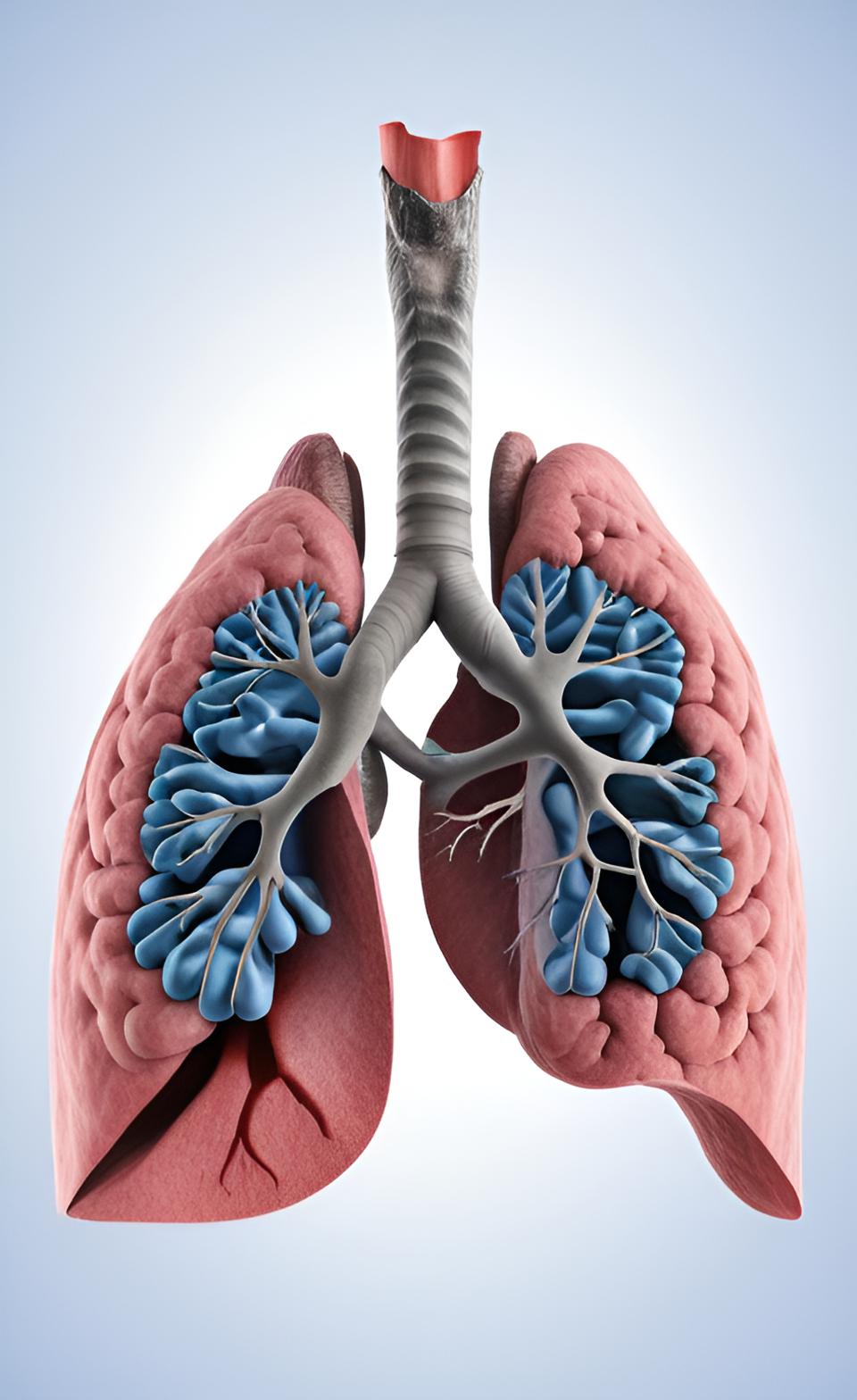
hello my name is Dr Lee I’m the chief of division of thoracic surgery and uh surgical director of the thoracic oncology program today I’d like to discuss with you uh uh about the treatment of early stage lung cancer lung cancer is an epidemic worldwide there’s approximately 1.8 million patients that are diagnosed with new lung cancer um equally almost equally there were uh 1.6 million patient deaths attributed to uh lung cancer in the United States we have an incidence of 224,000 patients that were diagnosed in 2011 and that’s our most recent data is is 2011 and uh almost equivalently there was uh 15 59,000 patients that develop uh a mortality related to lung cancer uh based on the International Association uh uh the iaslc for lung cancer uh there’s a retrospective data uh base that’s collected and in that registry uh OC carcinoma was the most common type of uh lung cancer uh it accounted for uh 43% of of non-s small cell lung cancer the second most common non-s small cell lung cancer is Squam cell and it compris of about 25% uh a minority of lung cancers are what’s called small cell type which is which is which makes up about 8% of uh lung cancer types so the two major types are non-s small cell and then small cell lung cancer type and several uh uh less common uh types of lung cancers with variable uh prognosis uh but most patients will be diagnosed with adnoc carcinoma or siso carcinoma lung cancer will present with uh symptoms that are fairly non-specific uh based on uh previous studies uh evaluating 3,500 patients that presented with lung cancer the most common types of uh symptoms they presented with uh included uh coughing uh weight loss dmia or shortness of breath uh chest pain uh hemoptisis which is coughing up of blood bone pain and horseness of Voice or change in the voice these were the most common types of symptoms that were uh that patients presented with often those symptoms will will precipitate studies and work up uh additionally uh important are uh risk factors for lung cancer um the most common cause of lung cancer is uh related to smoking 90% of lung cancers are linked to smoking there’s approximately a 15 to 30% more uh likelihood of developing lung cancer compared to non-smoker uh control patients uh smoking has a a cigarette smoke has approximately 7,000 chemicals 70 of which have been uh shown to cause cancer in in humans and in animal studies uh there’s an increasing number of patients with secondhand smoke exposure that die from uh lung cancer uh 7,300 patients will die every year uh secondary to U secondhand smoke exposure these are often family members that are exposed uh growing up or uh radon which is an inert uh gas you can’t smell it you can’t see it uh it’s a ra rown gas percolates from the ground up um it causes 20,000 cases of lung cancer each year uh the Environmental Protection Agency estimates that one in 15 homes in the United States will have high radon levels um other substances that have been associated with uh lung cancer uh include some of these that are listed here most commonly asbestos exposure uh and these have been shown to increase the risk of lung cancer personal and family history of lung cancer there’s increasing uh uh studies that uh attribute lung cancer to genetic uh uh relationships uh so uh family history is playing more of a role in uh patients that are at risk for lung cancer patients that have had radiation therapy to the chest in the past often these are patients that are cancer survivors from breast cancer or or lymphoma and they receive radiation to the chest as part of their treatment these are cancer survivors but later on in life they develop uh lung cancer because of the uh uh EXP exposure of the lung to the radiation that they received in the past uh there’s increasing studies that relate diet to lung cancer development um most notably smokers that take beta katene supplements have been shown to have increased incidents of lung cancer arsenic which is a chemical found in drinking water has been attributed to uh uh related to uh increased risk for lung cancer development so the combination of of of symptoms and risk factors will often prompt work up in additional studies to look for what is causing the patient’s symptoms or when there’s a concern for development of lung cancer uh signs and symptoms that we covered will often precipitate either a chest x-ray or a CT scan to begin with uh risk factors and asymptomatic patients uh can precipitate a screening uh CT scan a lowd do a chest CT scan uh to look for uh lung nodules and lung cancer …
Staging and Spread of Lung Cancer
… based on these studies understanding the the staging system is critical to how we interpret these radiographic exams and also how treatment is tailored for patients with lung cancer … Physicians talk about tnm staging … cancer can spread through the tissue itself within the lung … lung cancer can spread to lymph nodes … and when cancer spreads beyond the chest and goes systemically … most commonly the brain the liver the adrenal gland and Bone … so the extent of the tumor spread is what determines the patient’s stage and defines the tnm staging …
Imaging and Diagnostic Workup
… most commonly to figure out if it’s spread … we utilize these two scans a whole body pet C scan or a or a head MRI brain MRI … this is a uh picture of a uh fused petct scan … and this area that lights up is a lymph node … this picture here on the PET CT scan shows the actual lung cancer within the right lung itself … however uh the brain MRI is really what’s utilized to see if there’s any spread to the brain itself …
Surgical and Invasive Staging
… the surgical staging or the more invasive staging … clinicians uh think of the chest as … the mediastinum … accurate staging of these lymph nodes can be performed by indor bronchial ultrasound and oscopy ultrasound … we call this an Indo Broncho ultrasound … the oscopy ultrasound goes down the esophagus … the surgical uh approach to it is to make a small incision … a combination of either or both both are used to accurately bi uh stage the patients … and this really guides treatment …
Surgical Treatment Options
… lung cancer surgery … most of the time at UCLA we will perform the lung surgery using minimally invasive techniques called videy thoracic surgery or Vats … our ideal operation is to do a lobectomy … there’s two loes on the left side three loes on the right side … we make small incisions usually three … we use a camera scope to go in and we take part of the lung out and the lymph nodes … the minimally invasive approach has an uh is associated with earlier recovery and less pain … our discharge mortality and 30-day mortality at UCLA … compared to the national … averages …
Extent of Resection and Evidence
… lung cancer surgery … the amount of lung that actually comes out depends on … location and the extent of the tumor … ideally lobectomy is our standard operation but … we will take less than a lobe … wedge reection or a segmentectomy … in some instances … an entire right lung can be taken out … pneumectomy … reasons for ideally doing a lobectomy … based on a very Hallmark study … lung cancer study group … showed that there was higher risk of recurrence … but there are instances where it’s appropriate to do less than a lobectomy … edoc carcinoma in citu … patients that can’t tolerate ectomy …
Non-Surgical Local Therapies
… in early stage lung cancer … there are patients that simply don’t want to have surgery … in these individuals there are other local options … radio frequency oblation or cryo oblation … energy … generates heat … cry oblation … freeze the tumor … non-operative local treatments … my colleagues in radiation oncology … sterotactic body radiation therapy or sbrt … radiation beams that come in from multiple different directions … provides greater delivery … over a shorter course of treatments … ideal for small tumors … these non-operative approaches … are are great to to treat …
Transition to Advanced Disease Management
… thank you very much for for your time … my colleague … Dr … Goldman will be speaking to you about late stage lung cancer treatment …
Overview of Metastatic Disease Treatment
… my name is Dr Jonathan Goldman … I wanted to speak to you today about our treatment mostly … for widespread disease or metastatic disease … incredible development in the last five years … innumerable clinical trials … start out by discussing chemotherapy … then … targeted therapy … then talk about immune therapy …
Small Cell Lung Cancer Overview
… small cell lung cancer … highly tobacco related … very aggressive … surgery is is used rarely … focus … chemotherapy and sometimes radiation … targeted drugs called Notch Inhibitors … parp Inhibitors … immunotherapy is also being looked at …
Non–Small Cell Lung Cancer: Early vs Late
… non-s small cellon cancer … split it up into early stage … and later stage … role for chemotherapy particularly after … surgery for stage two and stage three … we mostly get involved for stage four … most commonly the brain bone liver and adrenal glands …
Modern Chemotherapy Approaches
… modern chemotherapy has become a lot better … anti-nausea medicines … pemetrexed … biologic drugs bism AB … maintenance therapy … several years of … ongoing cancer control … chemotherapy is still the main stay …
Treatment Pathways by Histology
… reviewing our general therapies for nonis mostly adoc carcinoma … pemetrexed … or a three drug combination carop platin petx and bevic ISM app … for second line or later … in sis cell … gem cabine … or … a taxing treatment …
Targeted Therapies and Driver Mutations
… revolution … mutations develop … identify that and block it … dramatic shrinkage … oral drugs … egfr Inhibitors … Tara and gilotrif or erot nib and a fat nib … Al Inhibitors … new generation egfr and ALK Inhibitors … other … Ross one … kras … Rett fgfr … proteins … like a satellite dish … drugs bind to that protein …
Evidence for EGFR and ALK Inhibitors
… important Trials … patients who had egfr mutations … more than 70% … benefited more from the egfr inhibitor … without egfr mutations … minimal benefit … ALK translocations … oral drug called cotb or Zori … major shrinkage … waterfall plot …
Resistance and Next-Generation Inhibitors
… next problem … treated with Tara … after four months … two years later … started to come back … why did the cancer become resistant … t790m … a long arm … gate has closed … smaller drugs that get around that gate … again seeing major response rates … UCLA played a really important part …
Immunotherapy and Checkpoint Inhibitors
… IM mapy … transformed the way we think about lung cancer … pd1 or pdl1 Inhibitors … encouraging the immune system … portion of patients get a major benefit … seems to last a long time … developing new strategies … checkpoint Inhibitors … cancer cells … cloaking system … allow the immune system to fight the tumor … tumors seem to grow … inflammation … those tumors May nearly disappear …
Q&A: Prognosis and Surgical Considerations
… how effective is lung surgery … prognosis … very much stage dependent … complete reection … margin negativity … lymph node status … defines whether patients should get chemotherapy … or if at all … earliest stage … fiveyear survivals … about 80 80% …
Preparing for Lung Surgery
… what should I think about if I have … lung surgery … is it appropriate for local therapy … accurate staging … assessing the risk profile … heart lung studies … cardiac studies … board certified thoracic surgeon … expertise in both minimally invasive … and … open techniques … high volume Center …
Recurrence Patterns and Multimodality Care
… other things that contribute to … long-term … survival … additional therapies … radiation … systemic therapy … stage … risk for … recurrence … locally … distant recurrence … multimodality treatment … most … Who present in an early early stage will not need those other treatments …
Chemotherapy’s Role and Patient Goals
… alternative treat treatment … be very careful … safety … appropriate option … will chemotherapy take care of the cancer … depends on the stage … prevent a cancer from coming back … where the cancer has spread … usually not able to take care of the cancer forever … treatment … important role … feel better and generally live longer … keep both quality of life and length of life in mind … exciting … new therapies … well tolerated … getting back to the things in their life … thanks very [Music] much
Would you like me to format these headings as H2/H3 levels in your editor, or keep them as plain text as shown?
Leave a Reply