
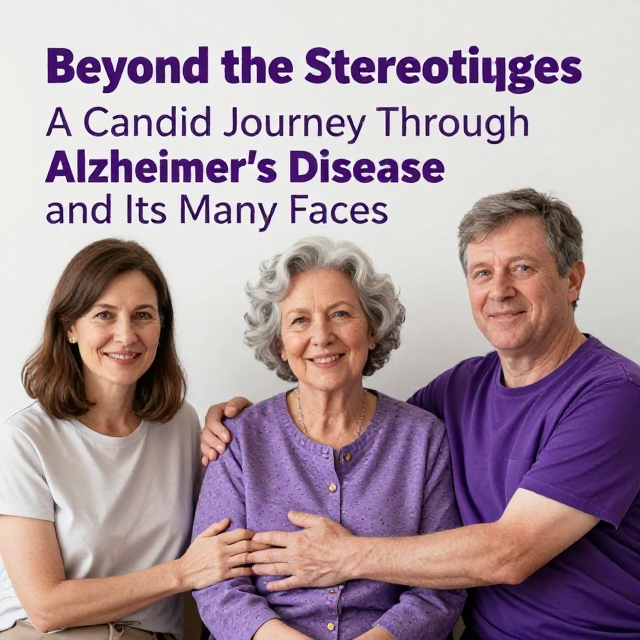
I still remember the morning my grandmother forgot how to make her famous pancakes—a recipe she’d made for over 40 years. It was the moment I realized Alzheimer’s disease wasn’t just about misplaced keys, but a deep, ongoing shift in identity. Fast forward to today: advances in treatments and diagnostics are finally offering new hope—but also new questions. What really works right now? What’s on the horizon? And how are real families navigating this complicated landscape in 2025?
Alzheimer’s in 2026: More Than Just Medications
Symptom-Slowing vs. Disease-Modifying: Where We Stand
When I think about Alzheimer’s disease treatment in 2025, the first thing that comes to mind is how much of the conversation still centers around managing symptoms, not curing the disease. Most of the medications we have today—like cholinesterase inhibitors and memantine—are designed to slow cognitive decline and help people function a little longer. They don’t stop Alzheimer’s in its tracks, and they certainly don’t reverse the damage that’s already been done. As a result, families and patients are often left hoping for more, even as research into disease-modifying therapies like anti-amyloid immunotherapies (lecanemab, donanemab) begins to offer new hope for the future.
Earlier Is Better: Why Timing Matters in Alzheimer’s Disease Treatment
One thing I’ve learned—both from research and personal experience—is that the timing of treatment matters. The earlier the diagnosis is made and treatment is started, the more effective it will be, so ignoring symptoms or waiting until symptoms can no longer be ignored is one of the worst things that one can do. This is not just a medical opinion; it’s a reality that plays out in real families every day. When symptoms are caught early, treatment strategies can be put in place before cognitive decline spirals out of control. Early intervention means more time for routines, relationships, and independence.
Medications on the Menu: What Do They Actually Do?
Let’s break down the main pharmacological interventions available for Alzheimer’s disease in 2025. The most commonly prescribed drugs fall into two main categories:
- Cholinesterase inhibitors: These include Donepezil, Rivastigmine, and Galantamine. They work by increasing levels of acetylcholine, a chemical messenger that helps brain cells communicate. By boosting acetylcholine, these drugs make it easier for brain cells to “talk” to each other, which can help with thinking, memory, and daily function.
- NMDA receptor antagonist: Memantine is the main drug in this class. It helps balance glutamate, another brain chemical. In Alzheimer’s, glutamate can build up and actually damage brain cells—a process called excitotoxicity. Memantine helps prevent this, offering some protection against further decline.
These medications are FDA-approved and widely used. But it’s important to remember: they manage symptoms, they don’t cure the disease. The goal is to slow down the loss of memory and function, not to stop or reverse it.
Beyond Pills: The Tough Choices at the First Sign of Symptoms
I remember sitting with my family at the kitchen table, quietly debating whether the forgetfulness we were seeing in my father was just normal aging or something more. It’s a conversation many families have, and it’s never easy. Do we bring it up? Do we wait? What if we’re wrong? But the reality is, waiting can be costly. By the time symptoms are obvious, the disease has often progressed further than we realize. Starting Alzheimer’s disease treatment early—before symptoms spiral—gives us the best chance to slow cognitive decline and preserve quality of life.
The Pancake Recipe Metaphor: Memory as the Fabric of Our Routines
To explain what’s at stake, I often use a simple metaphor: memory is like a favorite pancake recipe. Each morning, you reach for the ingredients—flour, eggs, milk—without thinking. But imagine if, one day, you forget the eggs. The pancakes don’t turn out right. Over time, more ingredients are forgotten, and the routine unravels. Alzheimer’s chips away at these everyday recipes, making it harder to keep routines intact. Medications like cholinesterase inhibitors and memantine can help you remember the eggs a little longer, but they can’t restore the whole recipe once it’s lost.
What’s New in 2025: Research and Hope
While symptomatic treatments remain the standard, research is gaining steam. Disease-modifying therapies—like anti-amyloid immunotherapies—are now FDA-approved for early-stage Alzheimer’s, but they’re not cures. Clinical trials, including the first deep brain pacemaker for Alzheimer’s at Barrow Neurological Institute, are exploring new frontiers. For most families, though, the reality in 2025 is still about balancing hope for the future with the practical need to manage symptoms today.
The earlier the diagnosis is made and treatment is started, the more effective it will be, so ignoring symptoms… is one of the worst things that one can do.
The Science of Knowing: Diagnostics, Biomarkers, and the Early Clues
If you think Alzheimer’s diagnosis is just about noticing memory loss or confusion, the science has moved far beyond that. Today, the conversation is shifting from “Do I have it?” to “How early can we know?” and “What should we do with that knowledge?” With advanced diagnostic biomarkers and imaging tools, we’re now able to spot Alzheimer’s disease in the brain long before symptoms appear. But this new frontier brings both hope and hard questions.
It’s Not Just a Feeling: The New Tools of Diagnosis
For decades, Alzheimer’s was diagnosed mainly through symptoms and cognitive tests. Now, we have a toolkit that includes:
- Amyloid PET scans: These specialized brain scans let us see amyloid plaques—the sticky protein clumps that are a hallmark of Alzheimer’s—while someone is still alive.
- Fluid biomarkers: By analyzing the fluid that surrounds the spinal cord, doctors can detect changes in amyloid and other proteins linked to the disease.
- Emerging blood and saliva tests: Researchers are developing blood and saliva-based diagnostics that could make screening for Alzheimer’s as routine as a cholesterol check.
These advances mean we’re no longer waiting for memory loss to start the conversation. We can now look for early clues, sometimes decades before symptoms show up.
A Twenty-Year Head Start: Amyloid Plaques and the Preclinical Phase
This amyloid plaque can begin building up in the brain as early as 10 to 20 years before a person starts to show symptoms such as memory loss.
One of the most striking facts about Alzheimer’s is just how early the disease process can begin. Amyloid plaques, which result from the abnormal cutting of amyloid precursor protein in the brain, can start forming 10 to 20 years before any outward signs appear. In a healthy brain, this protein is cut in a way that the leftover pieces are soluble and easily cleared out. But in Alzheimer’s, the process goes wrong, and sticky fragments build up, forming plaques that disrupt brain function.
This “preclinical phase” is now a major focus for researchers and clinicians. With imaging biomarkers like amyloid PET and fluid biomarkers from spinal taps, we can identify these changes long before memory loss or confusion set in. Early diagnosis is no longer just a hope—it’s becoming a reality, opening the door to preventative strategies and tailored care.
The Thrill (and Anxiety) of Modern Diagnostics
There’s a strange mix of excitement and fear that comes with these new diagnostic tools. On one hand, early and accurate diagnosis means we can intervene sooner, plan better, and maybe even slow or prevent symptoms. On the other hand, knowing you have amyloid buildup—years before you feel any different—can be a heavy burden. It raises tough questions about how much we want to know about our future health, and what we’ll do with that information.
Wild Card: Would You Want to Know at 45?
Imagine this: You’re 45 years old, feeling healthy, and a routine blood test shows early signs of amyloid buildup. You might not notice any symptoms for another 15 or 20 years. Would you want to know? Would it change how you live, work, or plan for the future? This is no longer a hypothetical scenario—these questions are becoming real for more people as blood and saliva-based diagnostics move closer to everyday clinics.
Personal Tangent: The Weird Comfort and Discomfort of Testing
I’ve had conversations with people who’ve gone through genetic and biomarker testing for Alzheimer’s risk. There’s a strange comfort in having answers, even if they’re not the ones you hoped for. But there’s also discomfort—a sense of living with a shadow over your shoulder. The science of knowing is powerful, but it’s not always easy to carry that knowledge. As diagnostics improve, we all have to grapple with what it means to know, and how early we want to start that journey.
With diagnostic biomarkers, early diagnosis, and imaging and fluid biomarkers advancing, the science of Alzheimer’s is changing fast. The preclinical phase is now a real-world concern, and the conversation about what to do with early clues is just beginning.
Beyond Pills: Breakthroughs, Clinical Trials, and Everyday Courage
When we talk about Alzheimer’s in 2025, it’s no longer just about symptom management or waiting for the next pill. The conversation has shifted, powered by disease-modifying therapies that target the root causes of the disease. Anti-amyloid immunotherapy, now FDA-approved and available for early-stage Alzheimer’s, is a prime example. These emerging therapies—vaccines and antibodies designed to dissolve amyloid plaques—aim to interrupt the destructive cascade that leads to brain cell death. For the first time, we’re seeing real hope in slowing the progression of Alzheimer’s, not just masking its symptoms.
But amyloid is only part of the story. Research has rapidly expanded to include tau pathology, another hallmark of Alzheimer’s. Tau proteins act like pillars supporting the microtubule “highways” inside our brain cells. In Alzheimer’s, these pillars become damaged and clump together, forming neurofibrillary tangles that choke off the cell’s ability to transport nutrients and information. This internal collapse leads to cell death from the inside out. New anti-tau therapies, including antibodies and vaccines, are now being tested in clinical trials, with the hope of halting the spread of these toxic proteins and reducing further brain injury.
Neuroinflammation is another frontier. Scientists are exploring how inflammation in the brain contributes to Alzheimer’s, and whether targeting these pathways can offer new, personalized treatment options. Multimodal approaches—combining medication, lifestyle changes, and even neurosurgical interventions—are under investigation. The Barrow Neurological Institute recently made headlines as the first in the world to implant a deep brain “pacemaker” as part of an Alzheimer’s clinical trial, opening new possibilities for those living with the disease.
Clinical trials are the engine driving these breakthroughs. And they’re not limited to testing new drugs. Many studies focus on improving diagnostics, such as advanced brain imaging or developing blood and saliva biomarkers to detect Alzheimer’s earlier and more accurately. Some trials are entirely medication-free, following participants over years to track disease progression or collecting donated fluids for research. Others invite people to consider brain donation after death, a deeply personal decision that has led to some of the most important discoveries in the field.
For those considering joining a clinical trial, the experience can feel like a “choose your own adventure” story. Each trial has its own requirements—some allow you to stay on your current cognitive enhancers, while others may not. Most clinical trials cover all costs, including study visits, medications, and procedures, and often provide a stipend as a thank you for your time and effort. There’s always the uncertainty of whether you’ll receive the active treatment or a placebo, but many trials now offer an open-label extension phase, giving all participants access to the active drug after the initial study period.
What’s it really like to be part of this process? For many, it’s a mix of hope, uncertainty, and quiet pride. There’s the thrill of helping new science happen—of knowing your participation could change the future for millions. But there’s also the bittersweet courage it takes to face the unknown, to volunteer for something that may not help you directly, but could help someone else down the road. As I’ve seen time and again, it’s the everyday courage of patients and families that writes the next chapter in Alzheimer’s research. Their willingness to step forward, to share their stories and their time, is as vital as any scientific breakthrough.
All research, whether interventional or non-interventional, is extremely valuable. It is participation in this research that has brought us the medications, tests, and new technologies which we have available today.
As we rethink Alzheimer’s in 2025, let’s remember: the future of disease-modifying therapies, personalized treatment, and better diagnostics depends on both scientific innovation and the everyday bravery of those who join the journey. Every trial, every sample, every story matters. And together, we are moving beyond pills—toward hope, discovery, and a new era in Alzheimer’s care.